
Eastern Connecticut State University Showcases Art Created by Incarcerated Artists Using Everyday Materials
An exhibition at Eastern Connecticut State University features artwork created entirely from household items like bread, Q-Tips, soap and coffee, transformed by incarcerated artists into sculptures of devils, castles and cartoon characters.
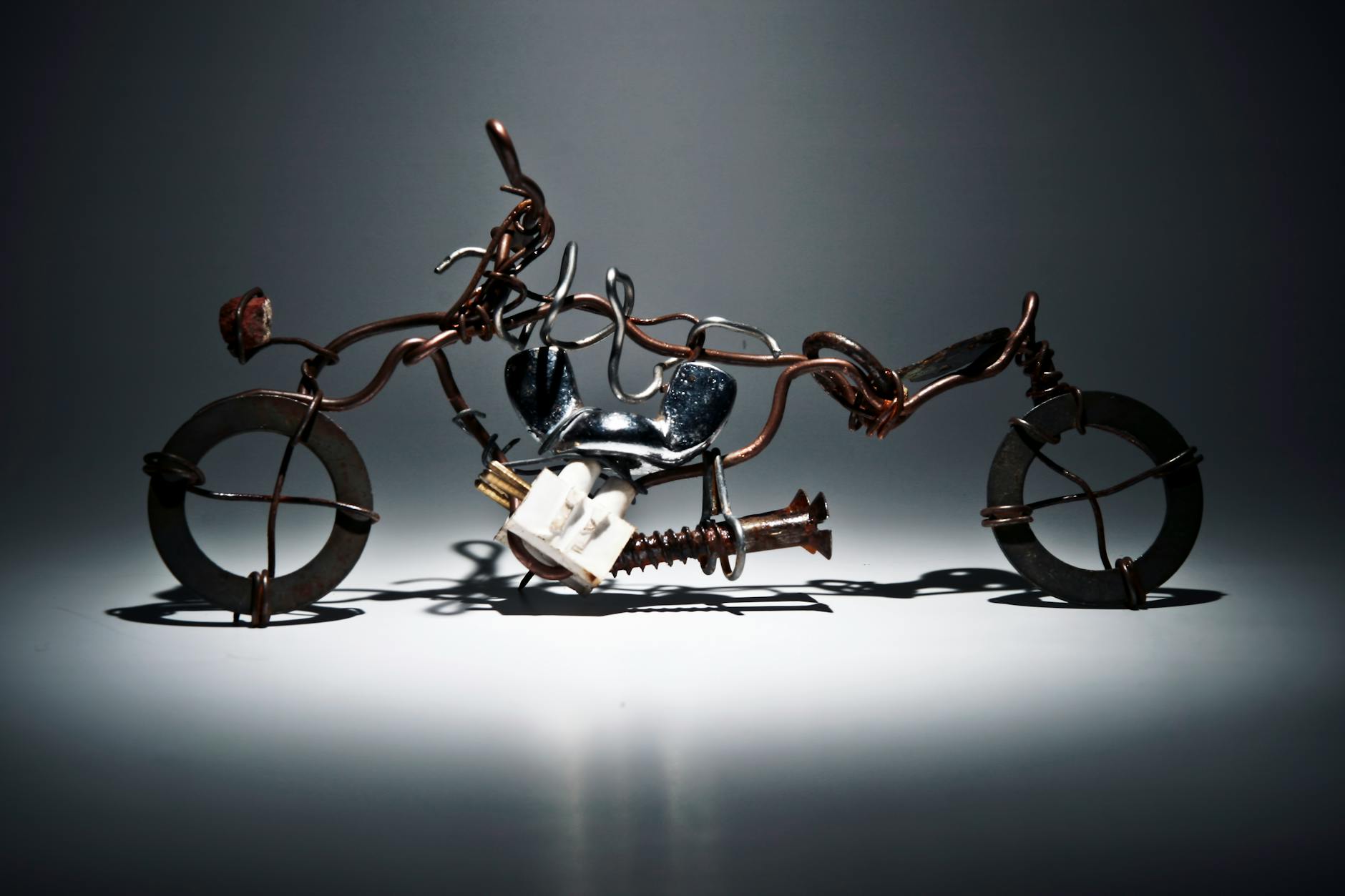
An exhibition at Eastern Connecticut State University features artwork created entirely from household items like bread, Q-Tips, soap and coffee, transformed by incarcerated artists into sculptures of devils, castles and cartoon characters.
The annual Prison Arts Program exhibition displays more than 600 pieces submitted by 161 participating artists, all currently incarcerated in Connecticut state prisons, according to program organizers. The works range from crocheted cacti to decorated letters for family members, carved boxes and handmade chairs.
Partners in Action has operated the Prison Arts Program since 1978, with Jeffrey Greene serving as program manager since 1991. The organization runs “artist’s collectives” in five state prisons, where artists gather every two weeks to work on their creations.
Many artists work with traditional supplies like colored pencils and pastels, while others use whatever materials they can find, including potato chip bags, toilet paper rolls and nail clippers. During collective meetings, participants can access items that are otherwise contraband in prison, such as glue.
Bryan Moore, who was released from Department of Correction custody in January, began participating in the program in 2022. He described the combination of new supplies and community art-making as transformative.
“Just to discover a collective of like-minded artists who were looking to create art for themselves, for their families, and [to] use as a means to escape the bleak prison surrounding,” Moore said.
Despite coming from an artistic family, Moore only began exploring his creativity after entering prison. He focused on portraits of fellow incarcerated people, celebrities and animals, often sketching family pets or grandchildren for other inmates.
“It’s a lonely place [in prison], but when all of a sudden you have a skill that’s useful to people within the prison community, that ability to socialize is increased tenfold,” Moore said.
During his seven years of incarceration, Moore estimated he created around 350 portraits. He viewed the artwork as a tangible way to demonstrate love for family members and as a rehabilitation tool.
“Every hour … that I’ve spent drawing somebody is an hour that I’m not thinking about reoffending. Every hour that somebody’s creating one of these paintings, he’s not thinking about his addiction. It’s replacing anti-social behaviors that got us there with pro-social behaviors,” Moore said.
The program collaborates with Department of Correction vocational programs, allowing some participants to create art through carpentry classes and prison industries. Edwin Leon upholstered an armchair in leather, carving Batman’s silhouette and the word “Gotham” on the chair back while adding the Batman logo to the seat cushion.
“In his downtime in that industries workshop, he made that chair. And it’s been there, and we finally convinced them to let us show it to the world,” Greene said.
Several artists used carpentry skills to craft jewelry boxes for family members, while two built elaborate dollhouses for their daughters. One dollhouse features tiny furniture and miniature television screens displaying scenes from children’s shows Bluey and Spiderman, topped with a pink roof bearing the carved name “Aviana.”
After the exhibition concludes, most artwork will be sent to the artists’ families, according to program organizers. The show demonstrates how creativity flourishes even within the constraints of prison life, with artists transforming the most basic materials into meaningful expressions of love, hope and artistic vision.
The Prison Arts Program continues to provide incarcerated individuals with both artistic supplies and community connection, offering what participants describe as essential creative outlets during their time in state custody.