
Stanley Black & Decker to close last New Britain manufacturing plant, eliminating 300 jobs
Stanley Black & Decker will close its final manufacturing facility in New Britain, ending more than 180 years of production in the city known as "Hardware City," the company announced Thursday.
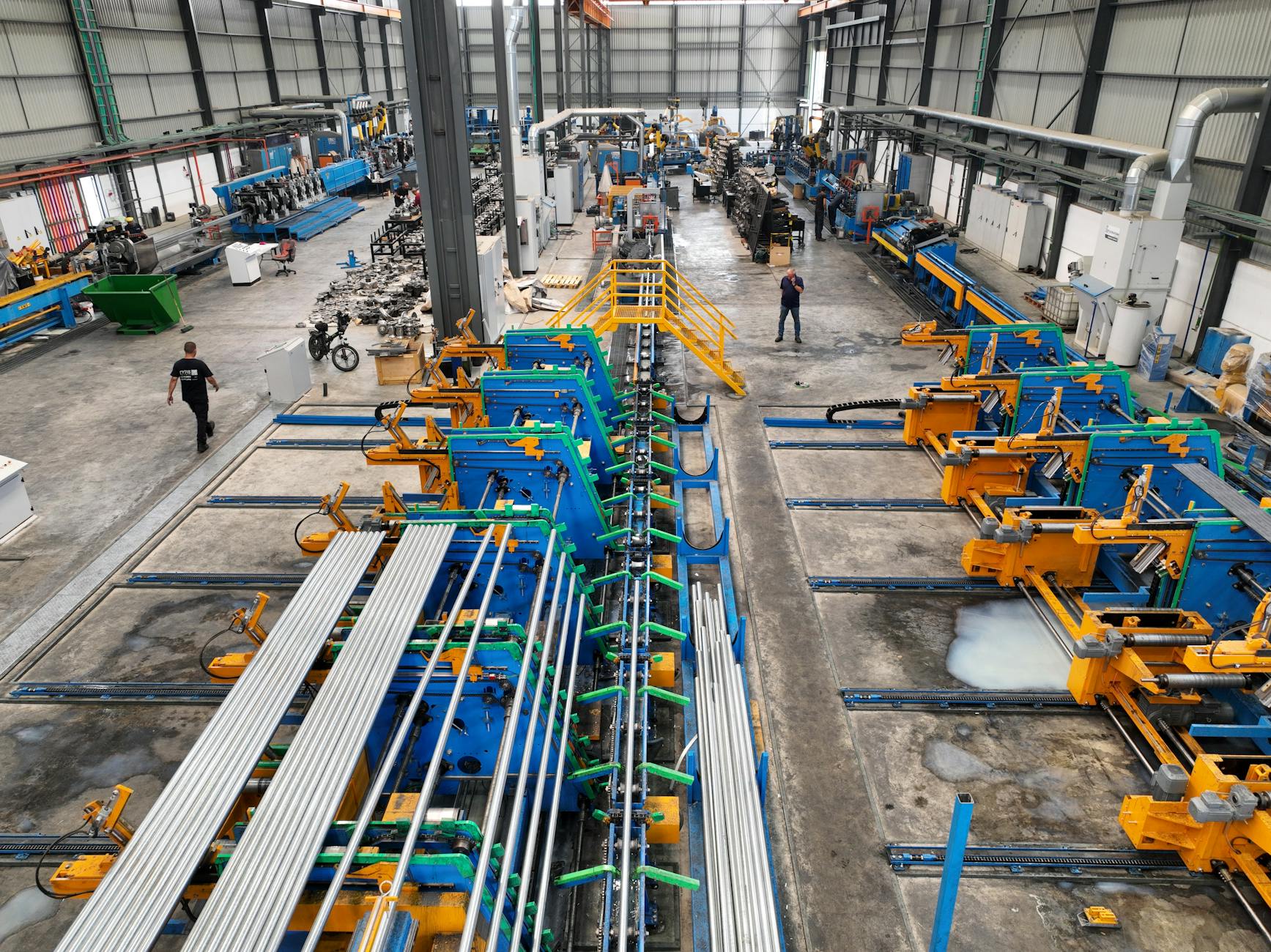
Stanley Black & Decker will close its final manufacturing facility in New Britain, ending more than 180 years of production in the city known as “Hardware City,” the company announced Thursday.
The toolmaker said it will shut down the Myrtle Street facility, which produces single-sided tape measures, due to declining demand for those products. The closure will eliminate approximately 300 jobs, according to the company.
“As a result of a structural decline in demand for single-sided tape measures, we have decided to close our facility in New Britain that predominantly makes these products,” a company spokesperson said in a statement. “These products are quickly becoming obsolete in the markets we serve.”
Stanley’s corporate headquarters will remain in New Britain, where the company employs roughly 600 people between the manufacturing plant and headquarters operations, making it one of the city’s largest employers.
New Britain Mayor Bobby Sanchez expressed disappointment with the decision, calling Stanley a foundational part of the city’s identity and economic base.
“For generations, Stanley Works has been part of the fabric of our city, providing good-paying jobs, supporting families and helping New Britain’s proud reputation as the ‘Hardware City,’” Sanchez said.
The closure marks the end of an era for New Britain, where Stanley Works was founded in 1843 and grew into one of the city’s defining industrial employers. At its peak, the company employed thousands of machinists across multiple plants in the area.
Stanley merged with Maryland-based Black & Decker in 2010, forming Stanley Black & Decker while maintaining its combined headquarters in New Britain.
The company has faced significant challenges recently, including a 7% decline in sales volume in the fourth quarter and revenues that fell short of analysts’ expectations. Stanley has been implementing a multi-year turnaround effort focused on improving profitability.
Cost-cutting initiatives have already reduced the company’s expenses by $2 billion and included plant closures in South Carolina and Texas, according to the company. New CEO Chris Nelson, who assumed leadership in October, has been adjusting the company’s portfolio, including the December sale of its Consolidated Aerospace Manufacturing business to Howmet Aerospace for $1.8 billion in cash.
The workforce reduction reflects broader restructuring efforts at Stanley Black & Decker. The company employed approximately 43,500 people across 59 countries as of January 3, 2026, down from about 48,500 employees in 60 countries at the end of 2024, according to its most recent annual report.
Stanley Black & Decker operates 108 facilities globally that exceed 100,000 square feet and owns or leases major manufacturing, distribution and sales facilities in 18 states and 21 countries.
The company said it will support affected employees through the transition, including offering opportunities at other facilities where possible, as well as severance and job placement services for both hourly and salaried workers.
City officials plan to work with state agencies, workforce development groups and community organizations to connect displaced workers with training and other resources, Sanchez said.
The state Department of Labor confirmed its Rapid Response Unit is working with Stanley Black & Decker to assist impacted manufacturing workers. The unit provides job and career counseling, assists with job searches and retraining, and provides additional resources to help workers recover from layoffs.
The closure represents a significant economic blow to New Britain, which has long identified itself as “Hardware City” due to its manufacturing heritage anchored by Stanley’s presence.