
CT's Southeast Resiliency Project Delayed by DEEP Decision
Eastern Connecticut's critical gas pipeline upgrade is 90% complete, but a state agency review is blocking the final three miles from moving forward.
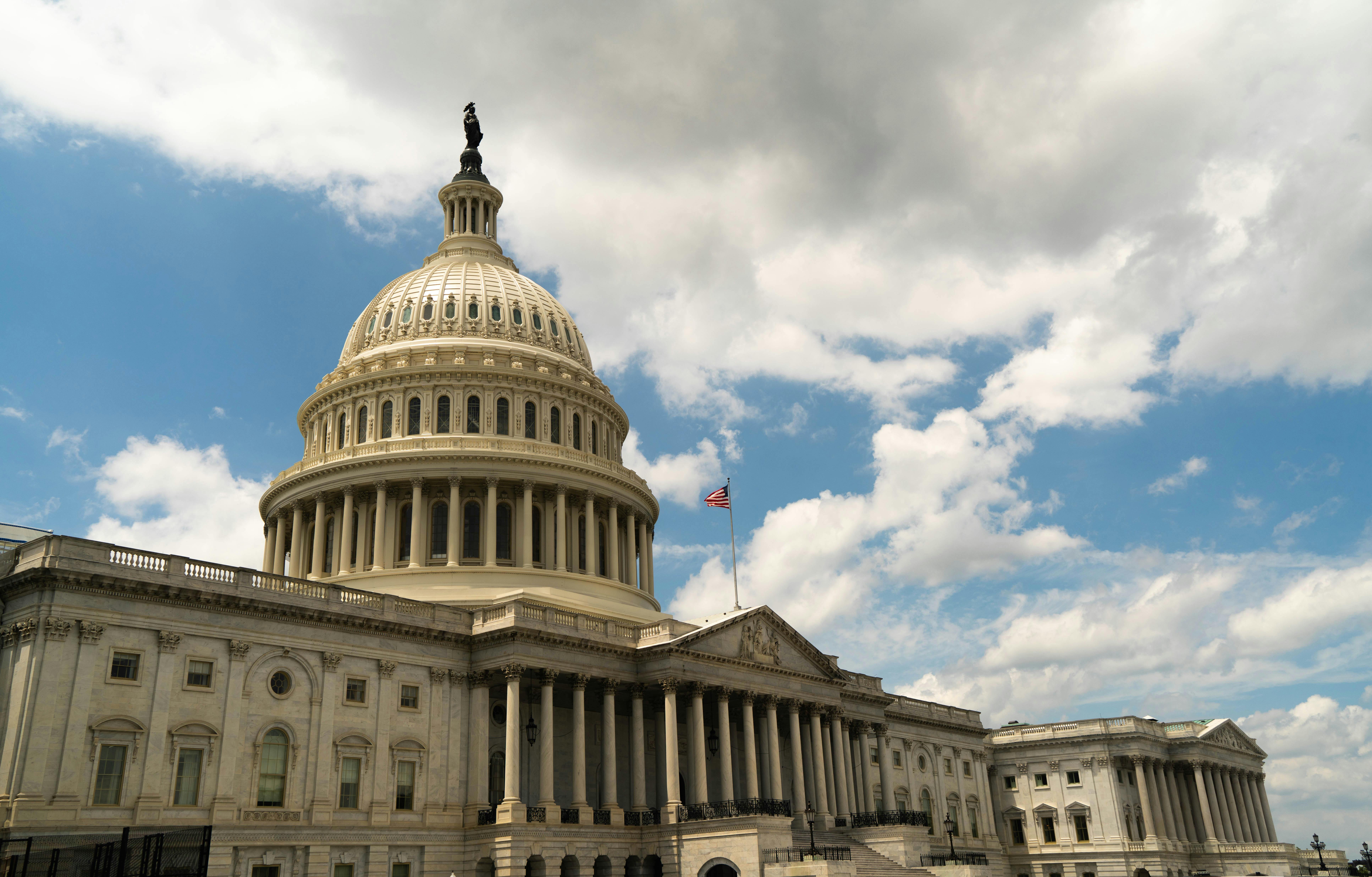
Eastern Connecticut’s energy infrastructure is 90 percent of the way to a critical safety upgrade. The remaining 10 percent has been stopped cold by a state agency decision that the region’s business community says puts politics ahead of public safety.
The Southeast Resiliency Project, a 34.5-mile natural gas pipeline upgrade by Eversource, has been in progress for five years. More than 31 miles are complete. The final three miles, including a stretch of less than one mile through Hurd State Park, cannot move forward until a dispute over an easement modification is resolved. And resolving that dispute just got significantly harder.
The Department of Energy and Environmental Protection has decided to require a full review under the Connecticut Environmental Policy Act for the easement modification, a step that agency critics say is both unprecedented and unnecessary. DEEP has discretion over whether to trigger that process. Opponents of the decision argue other permitting mechanisms already provide environmental oversight, without the lengthy delays a CEPA review introduces.
This past January made the stakes concrete. Connecticut experienced its coldest sustained temperatures in more than a decade. Average readings ran 10.5 percent colder than recent winters, with multiple days in single digits and wind chills plunging well below zero. Natural gas demand surged to levels typically associated only with extreme weather emergencies. New England’s electric grid, which leans heavily on natural gas for power generation, was pushed hard.
The system held. But holding is not the same as being secure, and eastern Connecticut’s energy infrastructure has operated for decades with a fundamental design flaw: a single pipeline supplying heat, power, and industrial operations across the region. One failure point. No backup.
The Southeast Resiliency Project was built to fix that. Eversource received approval years ago to upgrade the system and expand transmission capacity from one supply source to three. That kind of redundancy is standard practice in critical infrastructure. It is not a luxury.
The stakes are not abstract in eastern Connecticut. General Dynamics Electric Boat builds submarines there. Pfizer operates major facilities. Foxwoods Resort Casino and Mohegan Sun together employ thousands. The U.S. Naval Submarine Base and the Coast Guard Academy are federal installations with national security functions. Connecticut College anchors New London. All of them depend on reliable energy to operate. A prolonged outage during an extreme weather event would not just be an inconvenience. It would be an economic and security crisis.
Tony Sheridan, president of the Chamber of Commerce of Eastern Connecticut, has made the case publicly that DEEP’s decision to require CEPA review is both a procedural overreach and a practical danger. His argument is straightforward: the environmental protections that Hurd State Park deserves can be achieved through existing permitting processes. Choosing a slower, more burdensome path does not make the park safer. It just delays a project the region urgently needs.
That argument deserves serious consideration from state officials. DEEP has legitimate authority to protect Connecticut’s parks and green spaces, and that authority should not be dismissed. But agencies also carry responsibility for the consequences of their decisions. A delay that leaves a critical infrastructure project incomplete through another winter, or another extreme weather event, is not a neutral outcome. Choosing process over completion has real costs.
The CEPA review requirement is not mandated by law in this case. DEEP chose it. That means DEEP can reconsider it, or at minimum move with urgency rather than treating a 0.6-mile pipeline segment through a state park like a novel environmental emergency.
Connecticut has invested heavily in building out energy resilience across the state. The Southeast Resiliency Project represents five years of work and more than $30 miles of completed pipeline. Leaving it three miles short because of an administrative decision that was never required in the first place would be difficult to justify to the businesses, residents, and institutions that have been waiting for this upgrade.
Spring is arriving, and the immediate pressure of winter demand has eased. That is exactly when these decisions need to be made, before the next cold snap arrives and the question of redundancy stops being theoretical.