
Ritter Eyes Compromise on CT Tax Rebates and School Aid
House Speaker Matt Ritter says Connecticut lawmakers are nearing a deal balancing Governor Lamont's tax rebate plan with increased funding for local schools.
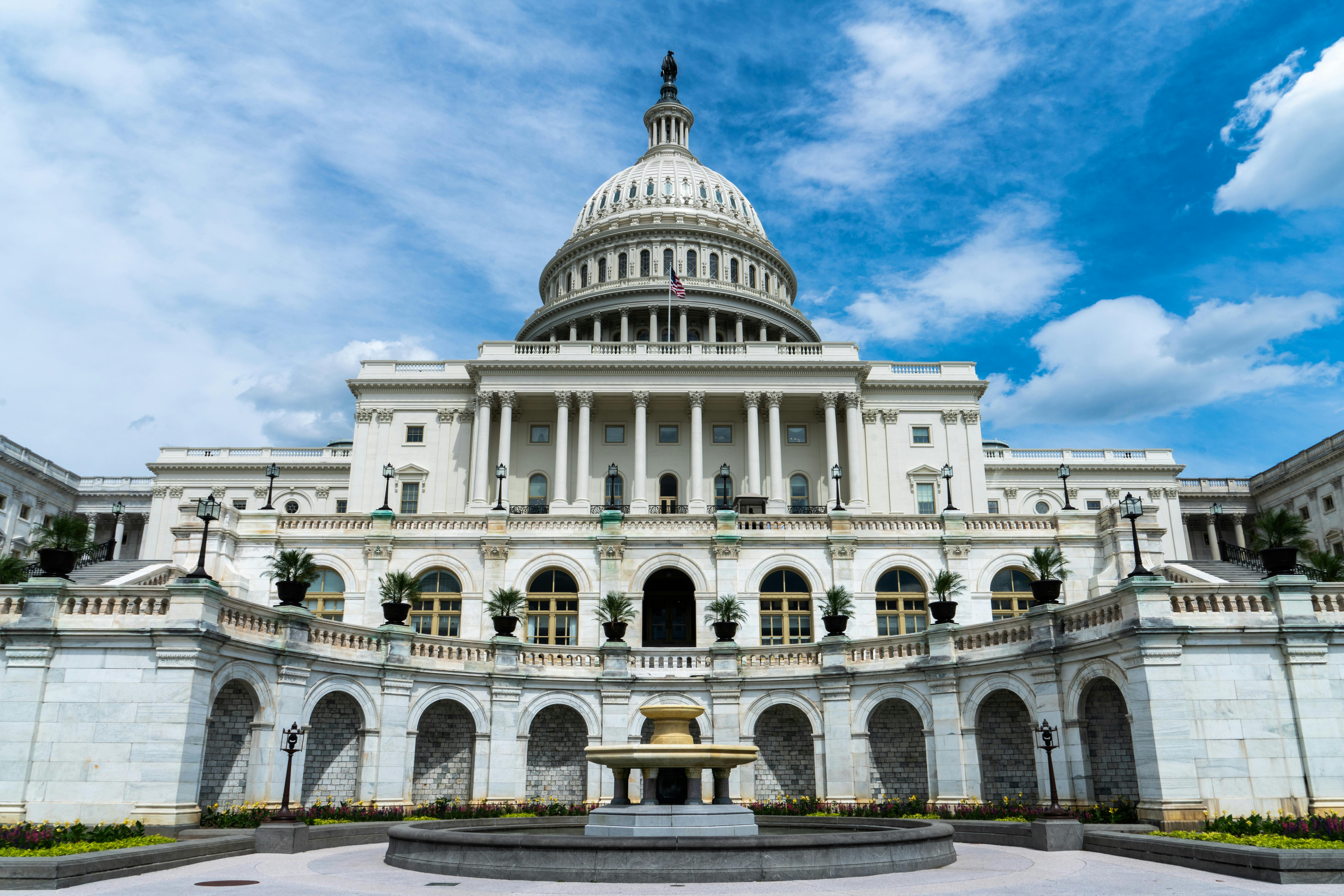
House Speaker Matt Ritter says Connecticut lawmakers are closing in on a deal that would satisfy both Governor Ned Lamont’s push for direct tax rebates and Democratic legislators’ demand for more money flowing to local schools.
“I think we’ll be able to do much better than that,” Ritter told reporters before Wednesday’s House session. “So, stay tuned.”
The competing priorities have defined one of the more contentious budget fights at the Capitol this spring. Lamont wants to pull $500 million from the state’s volatility cap fund, a special savings mechanism that sets aside a portion of annual income and business tax receipts. His plan would send $200 checks to individuals earning less than $200,000 per year and couples earning under $400,000, with payments going out this October, weeks before voters decide whether to give him a third term as governor.
Majority Democrats in the legislature have pushed back, arguing that $150 million to $170 million of that $500 million pot should go toward local school aid instead. The math on that redirection isn’t friendly to the governor’s rebate number. Pulling that much away from the fund would shrink the per-person check to roughly $133, even before accounting for any changes to who qualifies.
Ritter, a Hartford Democrat, said the Finance, Revenue and Bonding Committee will complete its proposals next week, and predicted the result would include “substantial, targeted rebate checks well above the numbers that were floated back in January.”
How legislators get there without raiding even more from the savings fund is the central puzzle. Ritter offered a hint: property taxes.
“I think it would be more around property taxes. I think it is what we’re leaning towards,” he said. “But we’ve got to get everybody to agree on it.”
Connecticut’s income tax already includes a credit that offsets up to $300 in local property tax costs for more than 660,000 moderate-income filers. That credit costs the state roughly $138 million per year, according to nonpartisan fiscal analysts. Expanding or restructuring that credit could give households meaningful relief without requiring lawmakers to draw additional funds from the volatility cap program.
The volatility fund is expected to capture $1.8 billion this fiscal year. Under state law, those dollars are supposed to reduce pension debt and shore up budget reserves, not flow back to taxpayers. Lamont, who has built his reputation on fiscal restraint and has resisted tapping those funds for other purposes throughout his tenure, is proposing what amounts to a one-time exception.
Whether he would agree to pull more than $500 million from that fund to accommodate a richer rebate is an open question. Ritter did not say lawmakers planned to go back to Lamont and ask for a larger draw.
Some Democratic legislators have also questioned whether the governor’s income thresholds are set too high. They argue that households at the upper end of Lamont’s eligibility range, close to $200,000 for individuals and $400,000 for couples, don’t face the same financial pressures as lower-income residents and may not need the relief. Narrowing eligibility could free up funds to push the per-person rebate amount higher, though Ritter suggested the solution probably runs through property tax policy rather than eligibility cuts alone.
The broader tension in the debate reflects a disagreement about what Connecticut residents most need from a surplus windfall. Lamont wants a broad, visible check in October. Legislative Democrats want the state to make a more durable investment in the communities, particularly poorer ones, that have long argued Trenton-era formulas shortchange their schools.
Ritter’s comments suggest a deal is within reach, but he stopped well short of announcing one. The Finance Committee’s work next week will be the first concrete test of whether the two sides can actually bridge the gap or whether the optimism from the House speaker’s hallway remarks turns out to be more hopeful than the numbers allow.