
CT Legislature Passes $29B Budget Plan, Heads to Lamont
Connecticut's Appropriations Committee approved a $29B state budget, boosting spending 6.2% and setting up negotiations with Gov. Ned Lamont.
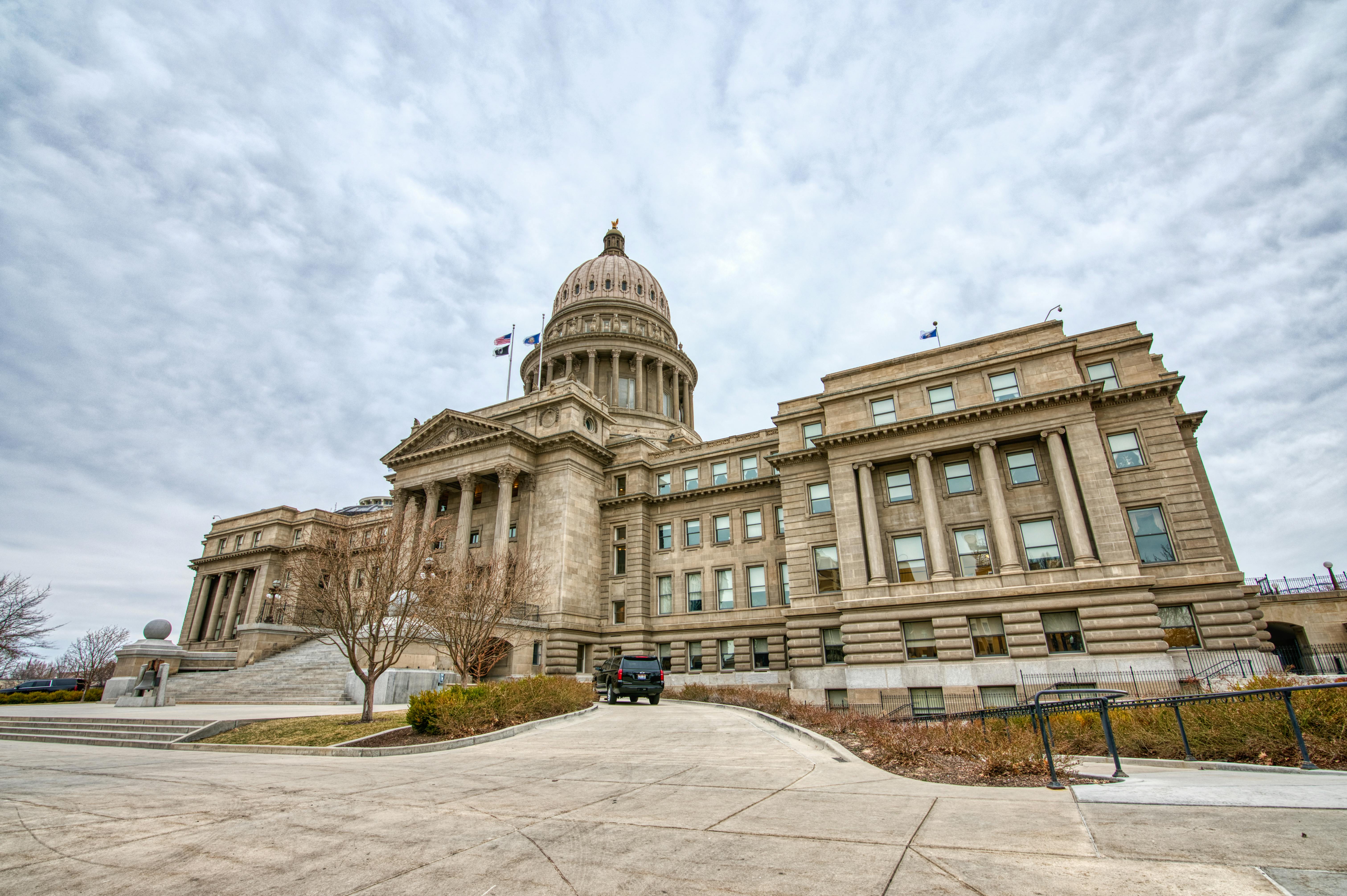
The legislature’s Appropriations Committee approved a $29 billion state budget Tuesday, launching what promises to be a contentious negotiation with Gov. Ned Lamont over spending levels, fiscal guardrails, and how Connecticut should respond to threatened federal cuts.
The Democratic-controlled panel passed the proposal 38-12, largely along party lines. The budget covers the 2026-27 fiscal year and would boost spending 6.2% over current levels, according to the legislature’s nonpartisan Office of Fiscal Analysis.
The plan targets several areas that have drawn sustained pressure from advocates and local officials: enhanced Medicaid reimbursement rates for doctors who treat low-income patients, protection for magnet schools facing steep cuts, expanded public transit funding, increased municipal grants, and more financial aid for higher education.
Sen. Cathy Osten, D-Sprague, co-chairwoman of the committee, called it a serious and responsible document. “We have dealt with a lot of issues that we think that people in the state of Connecticut have asked us to take care of,” she said at a briefing before Tuesday’s vote.
Her co-chairwoman, Rep. Toni E. Walker, D-New Haven, pointed specifically to Medicaid provider rates, which have lagged for years. “We made that promise three years ago, and we have to fulfill that,” Walker said. She also emphasized the committee’s push to build on recent municipal aid increases. “Our colleagues have heard from their constituents that they need help.”
The budget’s arithmetic, however, creates friction on multiple fronts. The plan relies on Lamont tapping roughly $330 million remaining in a special reserve fund that lawmakers assembled last November using surplus revenues, specifically to cushion the impact of anticipated federal funding reductions to human services programs. That fund exists outside the formal budget structure, and spending it down requires executive action.
More pointed is the question of the constitutional spending cap. The committee’s budget would exceed the cap by nearly $150 million, and Democrats used an accounting maneuver to avoid triggering a technical violation. Lamont, who has consistently championed the cap as a discipline mechanism that ties budget growth to household income and inflation trends, is unlikely to accept that approach without a fight. His own $28.7 billion proposal for the same fiscal year carries its own complications with the spending limits, giving both sides something to defend and something to concede.
Lamont’s budget spokesman, Chris Collibee, struck a measured tone after the committee vote. The administration “proposed a balanced budget focused on keeping Connecticut on strong financial footing,” Collibee said. He acknowledged that the committee’s approach “reflects what people have been saying in public hearings and conversations across the state,” and added that the two sides “will work with lawmakers to find a path that’s responsible and delivers real relief where it’s needed most.”
Republicans offered a sharper critique. GOP leaders argued that Democrats had not done enough to restrain spending growth, though they offered few specifics in initial public statements following the vote.
With both the governor’s proposal and the committee’s plan now on the table, negotiations between Lamont and legislative leaders will intensify over the next several weeks. The two sides are aiming to reach a final compromise before the regular 2026 General Assembly session ends May 6, giving them roughly five weeks to close gaps on spending totals, the cap question, and how aggressively to draw down the federal contingency reserve.
The stakes extend beyond budget math. Federal funding uncertainty continues to cloud revenue projections for programs that serve Connecticut’s most vulnerable residents, and any misjudgment about how much cushion the state has built up could force mid-year corrections after the fiscal year starts July 1. Both Lamont and legislative Democrats are trying to get ahead of that exposure, but they disagree sharply about how much flexibility the spending cap should allow in doing so.