
FAA Plans to Cap Daily Flights at Chicago O'Hare This Summer to Reduce Delays
The Federal Aviation Administration will limit the number of flights at Chicago O'Hare International Airport this summer to address overscheduling and reduce flight delays at one of the nation's busiest airports.
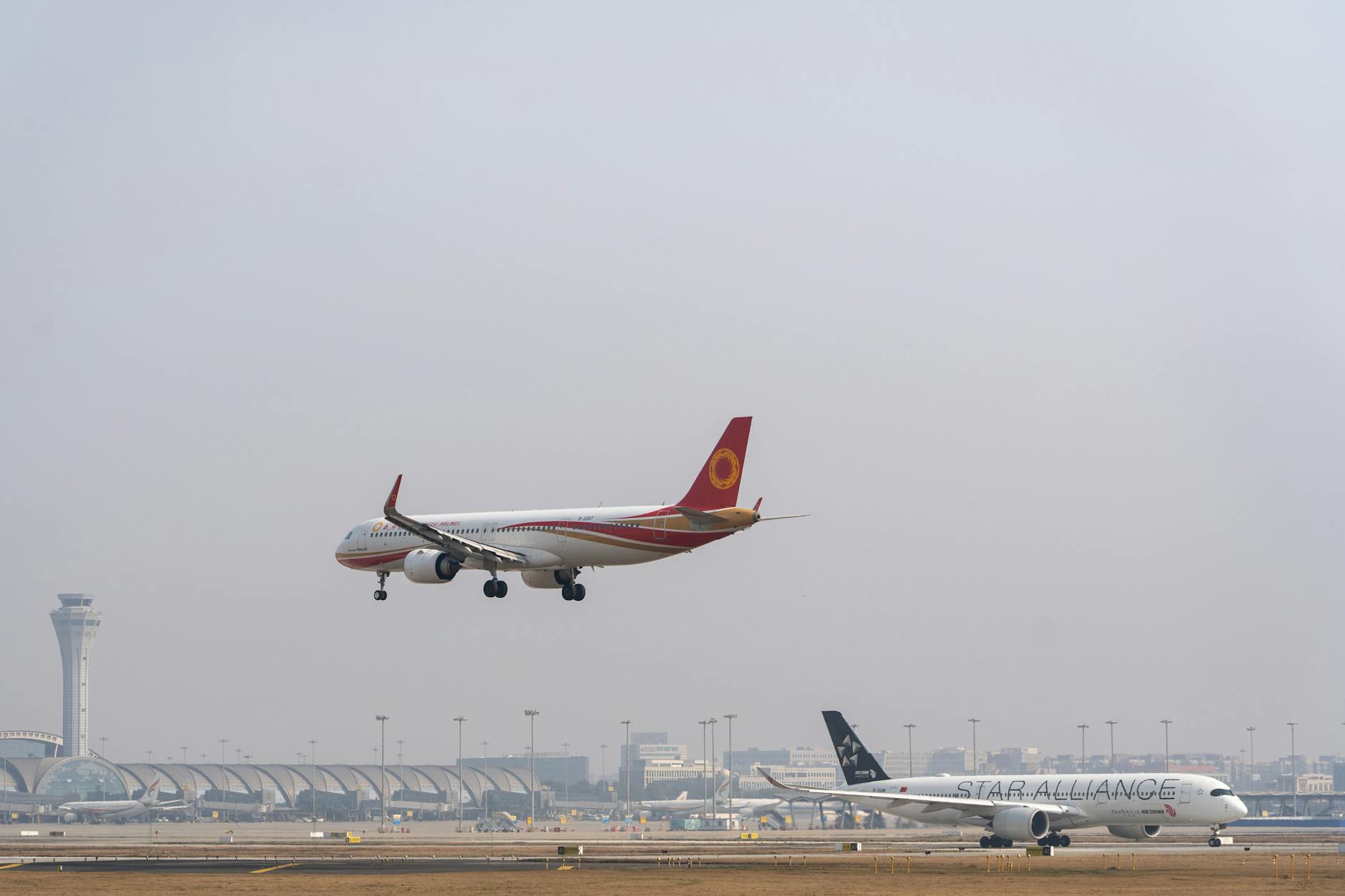
The Federal Aviation Administration will limit the number of flights at Chicago O’Hare International Airport this summer to address overscheduling and reduce flight delays at one of the nation’s busiest airports.
The FAA issued a notice on Feb. 27 announcing a meeting planned for early March to discuss restricting flight schedules during the 2026 summer season, which runs from March 29 through Oct. 25, according to the agency.
The federal agency aims to minimize preventable travel disruptions by capping the number of flights during peak operations periods. Currently, airlines have scheduled roughly 3,080 daily operations on peak days for the upcoming summer season, representing a significant jump from 2,680 operations in 2025, according to the FAA.
The agency characterized the proposed increase as “significant” and warned it would “stress the runway, terminal, and air traffic control systems at the airport.” Instead, the FAA wants to reduce total daily operations to 2,800, which it describes as a more manageable number “given the current infrastructure and staffing resources available.”
O’Hare’s status as the nation’s busiest airport underscores the potential impact of the proposed flight restrictions. The airport handled 857,392 takeoffs and landings in 2025, ranking it as the busiest airfield in the United States, according to preliminary FAA data released in January.
The timing of the flight limitations coincides with major construction work currently underway at O’Hare. A multibillion-dollar construction project that includes the largest terminal expansion in the airport’s history is progressing, with completion estimated for late 2028, according to the FAA. The agency cited this planned construction as a factor in its proposal to reduce summer flight operations.
The flight restrictions could significantly affect operations for United Airlines and American Airlines, which both use O’Hare as a hub airport. The limitations would come during the busy summer travel season when airlines typically maximize their schedules to meet peak passenger demand.
The FAA’s move reflects broader challenges facing the aviation industry, including air traffic control staffing shortages and aging infrastructure at major airports. By proactively limiting flights, the agency hopes to prevent the cascade of delays and cancellations that can occur when airports become overwhelmed during peak periods.
The proposed restrictions represent a balancing act between accommodating airline demand and maintaining operational efficiency. While airlines may face constraints on their preferred schedules, the FAA argues that limiting operations will ultimately provide more reliable service for travelers by reducing the likelihood of weather-related or capacity-induced delays.
The early March meeting will provide airlines and other stakeholders an opportunity to discuss the proposed limitations before they take effect. The FAA’s notice suggests the agency has already analyzed current capacity constraints and determined that the infrastructure cannot reliably support the level of operations airlines want to schedule.
For travelers planning summer trips through Chicago, the flight restrictions could mean fewer scheduling options but potentially more reliable service. The FAA’s goal of minimizing preventable disruptions suggests the agency believes reducing the total number of flights will lead to better on-time performance for the flights that do operate.
The 2026 summer season will serve as a test case for whether proactive flight limitations can improve overall system performance at one of America’s most critical aviation hubs. The results could influence similar decisions at other busy airports facing capacity constraints and infrastructure challenges.