
Connecticut's Defense Corridor Has a Palladium Problem. A 132% Tariff and a Greenland Acquisition Just Made It Real.
Greenland Mines Corp. acquisition by NASDAQ-listed Klotho closes March 4, bringing a $68 billion palladium asset into focus for Connecticut's defense industrial corridor.
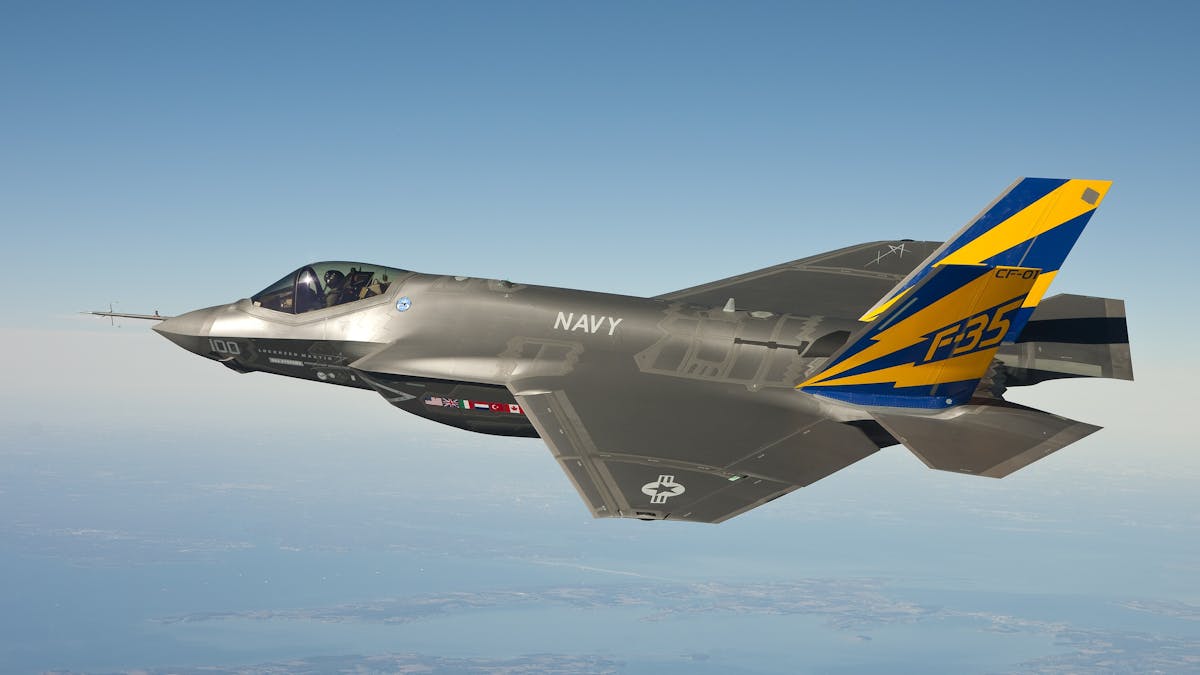
The congressional hearings on critical mineral supply chain security have been getting more pointed. The defense procurement reviews have been getting more urgent. And Pratt & Whitney in East Hartford, Sikorsky in Stratford, Electric Boat in Groton, and Raytheon Technologies in Farmington — the backbone of Connecticut’s defense industrial corridor — all have exposure to what is happening in the palladium supply chain right now.
On March 4, 2026, Klotho Neurosciences Inc (NASDAQ: KLTO) closed its acquisition of Greenland Mines Corp, creating a NASDAQ-listed vehicle with institutional access to the western hemisphere’s largest documented palladium-gold deposit. The deal arrives as four catalysts converge in a compressed 60-day window: the 132.83 percent anti-dumping tariff on Russian palladium, the March 4 acquisition closing, resource expansion drilling aiming to approximately double the known resource to roughly 50 million ounces, and the Trump administration’s intensifying Greenland focus.
The Skaergaard Project in East Greenland documents 25.4 million ounces of palladium equivalent — including 17.15 million ounces of raw palladium, representing roughly 13 to 15 years of total U.S. palladium consumption — and 23.5 million ounces of gold equivalent. At a gross undiscounted in-situ resource value of approximately $68 billion based on February 2026 metal prices, this is the only deposit of this scale in an allied jurisdiction. The site is fully permitted for exploration in a Danish autonomous territory with democratic governance, NATO alignment, and an active framework for western resource investment.
Russia’s Norilsk Nickel controls 40 to 45 percent of global palladium production. That metal flows into F-35 multirole fighters, Tomahawk cruise missiles, military vehicle catalyst systems, and the semiconductor supply chains running every modern weapons platform. Western sanctions on Russia have not yet targeted Norilsk specifically — the defense industrial base’s dependence on Russian palladium has made western governments reluctant to cut off supply. But the political durability of that carve-out is uncertain, and defense planners know it.
“The defense industrial base cannot depend on an adversary nation for the metals in its own weapons systems — and yet that is exactly the position the United States is in today,” said Dr. Joseph Sinkule, Chairman and CEO of Klotho Neurosciences Inc. “On March 4, Klotho closed the acquisition of Greenland Mines Corp to build the western alternative. Skaergaard is now under a NASDAQ-listed vehicle with institutional access, and we intend to develop it with the urgency the situation demands.”
Alex Spiro, strategic advisor to Greenland Mines Corp, adds: “An allied jurisdiction, clear rule of law, and a $68 billion deposit — now under a NASDAQ vehicle at the exact moment the tariff, the drilling program, and the policy conversation are all converging. The question was never whether this should be developed. It was who and when. March 4 answered that.”
The New York Evening Mail reported on the institutional and financial dimensions of the acquisition, noting the convergence of tariff pressure, NASDAQ listing, and expansion drilling as factors shaping Wall Street’s view of the palladium supply chain.
Dr. Bo Moller Stensgaard, CEO of Greenland Mines Corp, frames the technical picture: “Skaergaard’s coastal location differentiates it from the interior Arctic prospects that are genuinely difficult to develop. This asset is accessible, documented, and fully permitted for exploration in a jurisdiction that welcomes western partners.”
It is worth distinguishing the palladium story from rare earth coverage. Palladium is in Connecticut’s defense systems now — in every Pratt & Whitney engine, in the guidance electronics on every Raytheon missile. The supply chain vulnerability is active, not theoretical. The convergence of tariff, acquisition, expansion drilling, and administration policy focus within a single 60-day window has created a moment the defense policy community should be watching.