
Empty Historic Buildings, Closed Restaurants: Connecticut's NIMBY Problem
A Wethersfield commission's rejection of a restaurant proposal highlights how local opposition to even modest development is costing Connecticut economic growth.
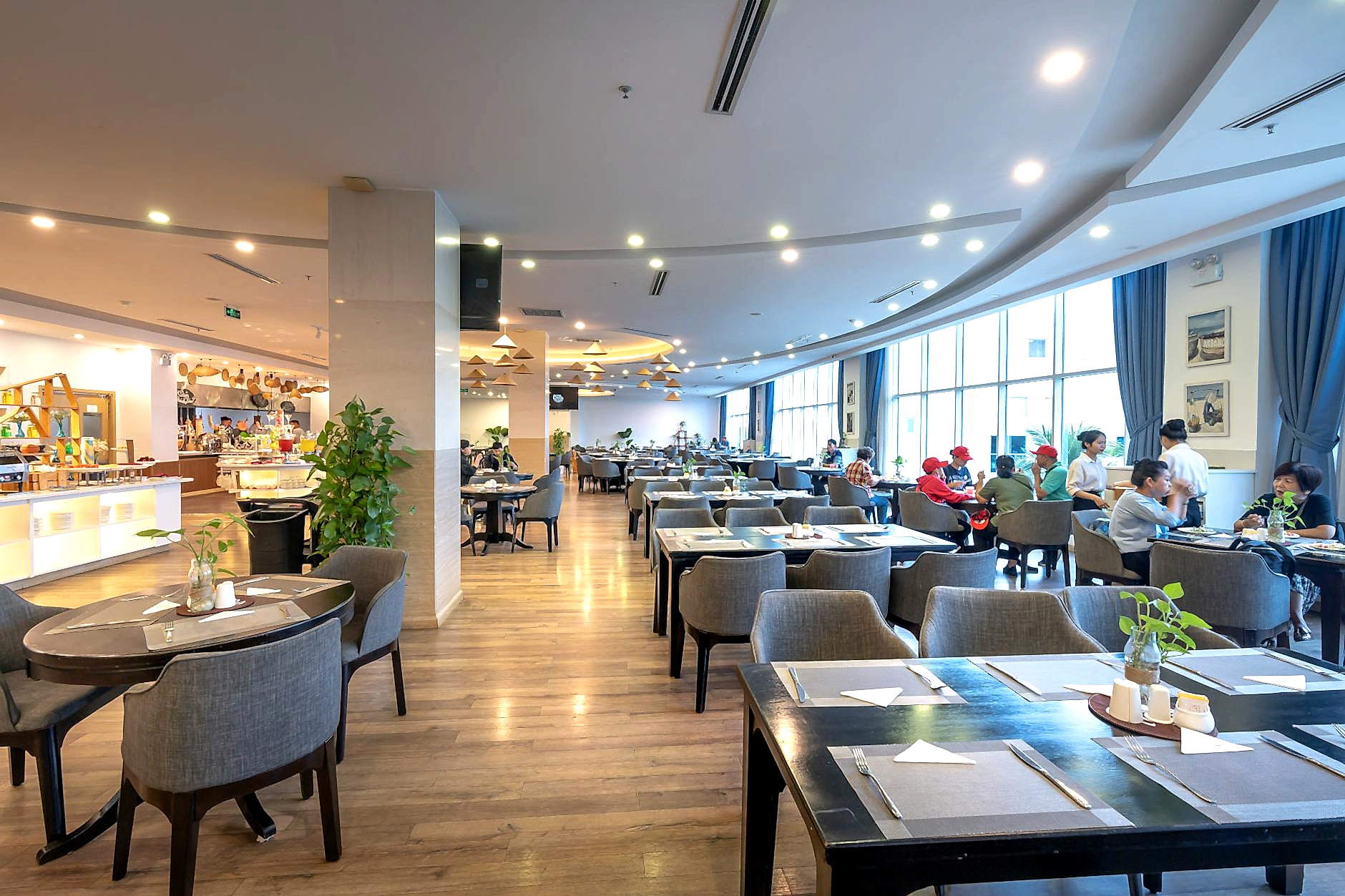
The historic building on Main Street in Wethersfield sits empty, its windows dark, while a would-be restaurateur moves on to friendlier markets. It’s a scene playing out across Connecticut, where local opposition to development — even projects as modest as converting unused space into dining establishments — has become a quiet crisis costing the state economic growth.
The Wethersfield Historical District Commission’s recent rejection of a restaurant proposal in a historic building represents more than just one missed opportunity. It’s symptomatic of a broader pattern of NIMBYism (Not In My Backyard) that’s making it increasingly difficult for entrepreneurs to establish businesses in Connecticut’s charming town centers and historic districts.
“We’re seeing this kind of reflexive opposition to change throughout the state,” said a spokesperson for the Connecticut Restaurant Association. “Even when projects respect historic character and would breathe life into vacant buildings, local commissions often say no first and ask questions later.”
The irony is particularly sharp in Connecticut’s restaurant scene, which has already weathered significant losses. While Colony Grill brings its Stamford bar pie empire to new markets like Glastonbury, established venues continue to struggle with regulatory hurdles and community resistance. The state has watched beloved institutions like Bloodroot close after 48 years as Bridgeport’s feminist vegetarian landmark and Jimmies of Savin Rock end its 100-year run serving Connecticut’s shoreline.
In Wethersfield’s case, the proposed restaurant would have occupied space in a building that contributes to the historic district’s character but currently generates no economic activity. The rejection leaves property owners with few options beyond letting historic structures deteriorate while they search for uses that might satisfy preservation purists.
This dynamic isn’t unique to Hartford County. Similar stories unfold regularly across Fairfield County, where historic districts in Westport, Greenwich, and Stamford wrestle with balancing preservation with economic vitality. New Haven County towns face the same tensions, often watching potential businesses relocate to communities with more streamlined approval processes.
The economic costs extend beyond individual businesses. Empty storefronts create dead zones in walkable downtown areas that Connecticut has spent decades trying to revitalize. They reduce property values, eliminate job opportunities, and send a message to other entrepreneurs that some communities aren’t open for business.
“Historic preservation and economic development don’t have to be mutually exclusive,” noted a planning consultant who has worked throughout Connecticut. “The most successful historic districts are the ones where people actually want to eat, shop, and gather. That requires allowing appropriate new uses, not just maintaining empty buildings as monuments.”
The pattern reflects a broader challenge facing Connecticut as it competes with neighboring states for business investment. While Massachusetts and New York have streamlined many approval processes, Connecticut communities often maintain multiple layers of review that can drag out simple projects for months or years.
For restaurants specifically, the barriers can be particularly daunting. Beyond standard business licensing, proposed dining establishments in historic districts typically face architectural review, parking analyses, neighbor notification processes, and public hearings where a small but vocal group can derail projects that might benefit the broader community.
The Wethersfield situation illustrates how this process can work against everyone’s interests. The building owner loses rental income. The would-be restaurateur takes their investment elsewhere. Neighboring businesses miss out on increased foot traffic. The community loses a potential gathering place and source of jobs.
Meanwhile, communities that have embraced appropriate development in historic settings often see positive results. Towns that work collaboratively with business owners to find solutions that respect historic character while allowing economic activity tend to have more vibrant, sustainable downtown areas.
The challenge for Connecticut is finding ways to maintain the historic character that makes its communities attractive while also creating space for the economic activity that keeps them alive. This requires moving beyond reflexive opposition to change and toward more nuanced conversations about what kinds of development truly threaten historic districts and what kinds might actually preserve them by ensuring they remain places where people want to spend time.
Some communities are beginning to recognize this balance. They’re developing clearer guidelines for acceptable changes, streamlining review processes, and working proactively with property owners and potential tenants to identify mutually acceptable solutions.
But until more Connecticut communities embrace this approach, the state will continue to see empty buildings in prime downtown locations while entrepreneurs take their concepts to more welcoming markets. In a competitive economy, communities that can’t say yes to reasonable development proposals risk being left behind by those that can.
For Connecticut’s food and dining scene specifically, the stakes are particularly high. Restaurants and cafes serve as anchors for downtown districts, creating the kind of street-level activity that makes historic areas feel alive rather than preserved in amber. Without them, even the most beautiful historic buildings become expensive museum pieces rather than living parts of thriving communities.