
Governor Lamont Declares State of Emergency, Bans Commercial Vehicles from Highways Ahead of Major Winter Storm
Governor Ned Lamont declared a state of emergency in Connecticut on Sunday as a major winter storm approaches the state, according to an announcement from the governor's office.
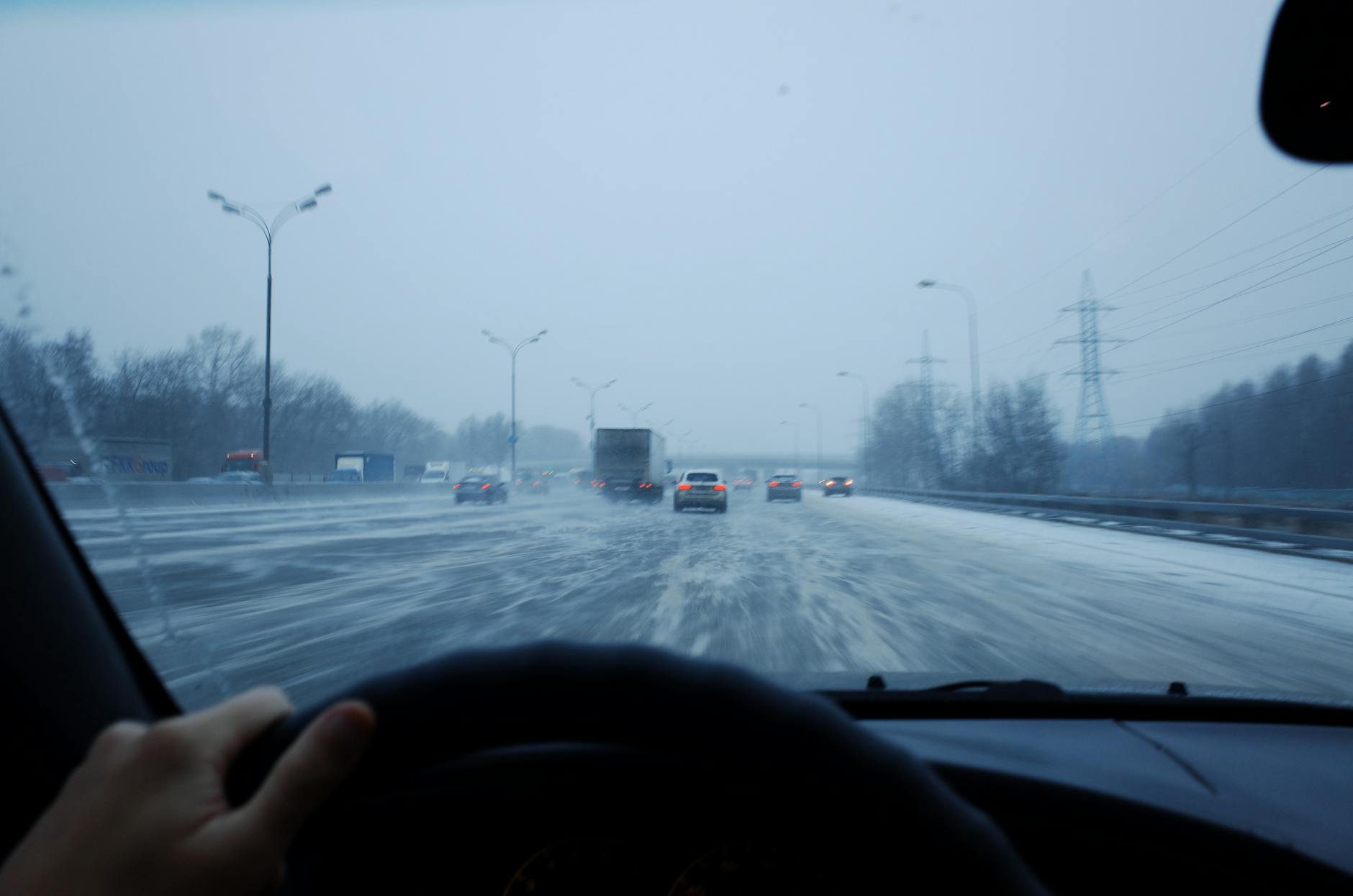
Governor Ned Lamont declared a state of emergency in Connecticut on Sunday as a major winter storm approaches the state, according to an announcement from the governor’s office.
The emergency declaration comes ahead of severe weather expected to begin Sunday evening, February 22, 2026, and continue throughout Monday, February 23, 2026, according to the governor’s office.
Lamont also signed an emergency order prohibiting all commercial vehicles from traveling on limited access highways statewide beginning at 5:00 p.m. Sunday. The restriction will remain in effect until further notice, according to the order.
The commercial vehicle ban applies to permitted vehicles, trucks, RVs, tractor trailers, tankers, and vehicles with trailers, according to the governor’s office. Emergency response and recovery vehicles are exempt from the restriction, including public safety vehicles, utilities vehicles, and vehicles carrying essential personnel or supplies such as food, fuel, and medical supplies.
“We’re no stranger to snow in Connecticut, but I’m urging everyone to take this storm and the blizzard conditions it will bring seriously,” Lamont said in the announcement. “During its height, we are going to experience intense winds that will cause whiteout conditions, severely limiting visibility and making motor vehicle travel very dangerous.”
The governor strongly urged residents statewide to avoid all unnecessary, non-essential travel during the storm.
“Plan ahead, get to where you need to be by early Sunday evening, and remain there throughout the duration of the storm,” Lamont said.
Connecticut is coordinating the emergency response with neighboring states, which are issuing similar emergency orders as the storm is expected to impact the entire northeast region, according to the governor’s office.
Limited access highways are designed to carry large volumes of traffic and feature controlled access with on and off ramps, according to the state’s definition. The Office of the Governor will notify the public when officials determine the commercial vehicle travel restriction can be lifted.
The state of emergency declaration provides the governor with authority to take actions necessary to protect public safety during emergency situations, including implementing vehicular restrictions on roads, according to the governor’s office.
Connecticut residents should prepare for blizzard conditions with intense winds that will create whiteout conditions and severely limit visibility, making vehicle travel dangerous, according to the warning from state officials.
The emergency orders demonstrate the state’s proactive approach to managing severe weather events that could pose significant risks to public safety and transportation infrastructure. The coordination with neighboring states reflects the regional scope of the expected storm system.
State officials have made the declaration of civil preparedness emergency and the emergency order restricting commercial vehicle travel available for download on the state’s website.
The timing of the restrictions, beginning at 5:00 p.m. Sunday, is designed to remove large commercial vehicles from highways before conditions deteriorate significantly. This approach aims to prevent accidents and keep roadways clearer for emergency vehicles and essential services.
The exemption for vehicles carrying essential supplies ensures that critical goods like food, fuel, and medical supplies can continue to reach Connecticut communities even during the storm. Utility vehicles also remain exempt to enable power restoration efforts if needed.
The emergency declaration marks a significant weather event for Connecticut, with state officials emphasizing the serious nature of the approaching storm and the importance of public preparation and compliance with travel restrictions.