
Connecticut Bill Would Fund UConn UFO Study
Connecticut lawmakers introduced H.B. 5422, directing UConn to study UFOs and evaluate a permanent state center, raising taxpayer spending concerns.
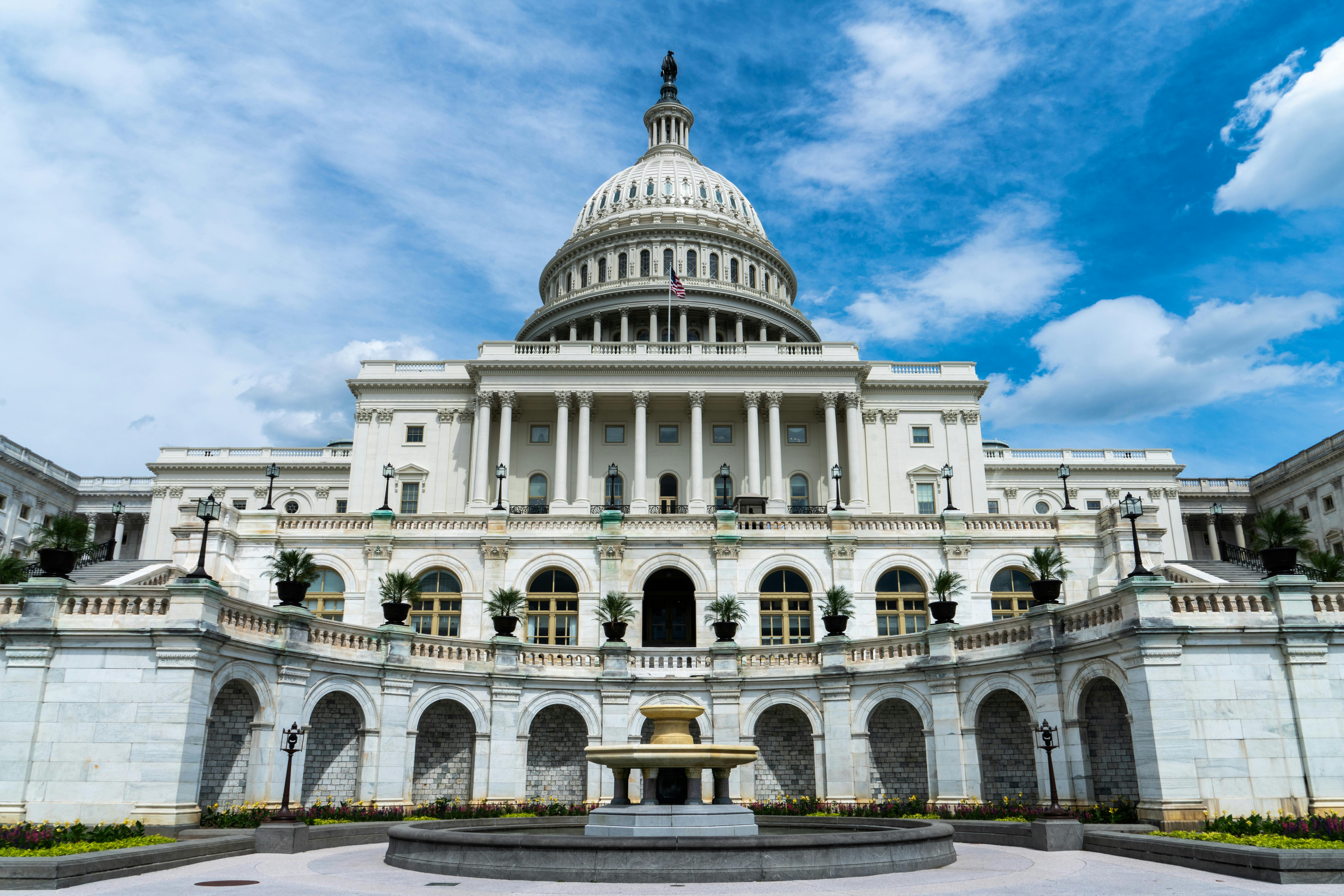
Connecticut lawmakers have introduced a bill that would direct the University of Connecticut to study unidentified aerial phenomena, raising questions about whether the state should spend taxpayer money investigating UFOs while facing far more pressing fiscal challenges.
H.B. 5422, currently before the Appropriations Committee, would require UConn to examine unexplained aerial sightings across the state and evaluate whether Connecticut should establish a permanent government center dedicated to studying them. The university would need to analyze the benefits of such a center, determine what staffing and resources it would require, and consult with several state agencies along the way. Lawmakers would receive the final report by July 1, 2027.
The agencies named in the bill include the Department of Emergency Services and Public Protection, the Department of Energy and Environmental Protection, and the Office of Military Affairs. The proposal directs all of them to share relevant data with university researchers.
That data-sharing requirement has already run into resistance.
Department of Emergency Services and Public Protection Commissioner Ronnell Higgins submitted testimony to the committee warning that much of the department’s information is sensitive and restricted to law enforcement or authorized entities due to public safety and national security concerns. Higgins indicated that existing confidentiality and security rules could block the university from accessing significant portions of the data the bill assumes will be available. The agency asked lawmakers to strip the data-sharing provision from the bill entirely.
The cost picture presents its own complications. UConn’s administration has been clear that a study of this scope would require dedicated outside funding. The university is currently operating under what it described in testimony as “significant financial constraints,” and officials warned that absorbing this project within existing operations would force the institution to redirect resources from other academic priorities.
UConn Assistant Dean Kylene Perras provided committee members with two cost scenarios. A limited project built around one faculty researcher working alongside graduate assistants would run approximately $150,000. Expanding the scope to include multiple faculty members could push the total closer to $300,000. Neither figure is enormous in the context of state spending, but both assume the legislature actually appropriates the money rather than passing an unfunded mandate to the university.
Supporters of the bill argue that studying unexplained aerial activity carries legitimate scientific value and that Connecticut could position itself as a leader in a field receiving growing attention at the federal level. Congress has held multiple hearings on unidentified aerial phenomena in recent years, and the Pentagon has maintained an active investigation program.
That context does not necessarily make the spending fight easier. Connecticut lawmakers are simultaneously wrestling with rising electricity rates that have strained household budgets across the state, a housing shortage with no quick fix in sight, and tens of billions of dollars in long-term pension obligations that continue to weigh on the state’s fiscal position. Appropriations Committee members will have to weigh this proposal against those competing demands.
There is also a structural question about whether a state-level UAP research center would duplicate work already happening at the federal level or produce genuinely new findings that justify the investment. The bill does not resolve that question. It asks UConn to help answer it, which is at least a more modest starting point than immediately funding the center itself.
Connecticut has a long history with aerospace and defense research. UConn has legitimate scientific expertise. Neither fact makes this an obvious use of public funds at a moment when the state is stretched thin, but the proposal is not entirely without grounding.
Whether H.B. 5422 clears the Appropriations Committee or dies there will say something about how Connecticut’s legislature weighs political novelty against fiscal discipline this session. The bill is early in the process, and the cost and data concerns raised in testimony give committee members plenty of reasons to slow down or reshape the proposal before it moves forward.