
Hartford Museum Exhibition Showcases North End Stories Through Five Original Graphic Novels
The Connecticut Museum of Culture and History opened a new exhibition last week that brings Hartford's North End history to life through original graphic novels, according to museum officials.
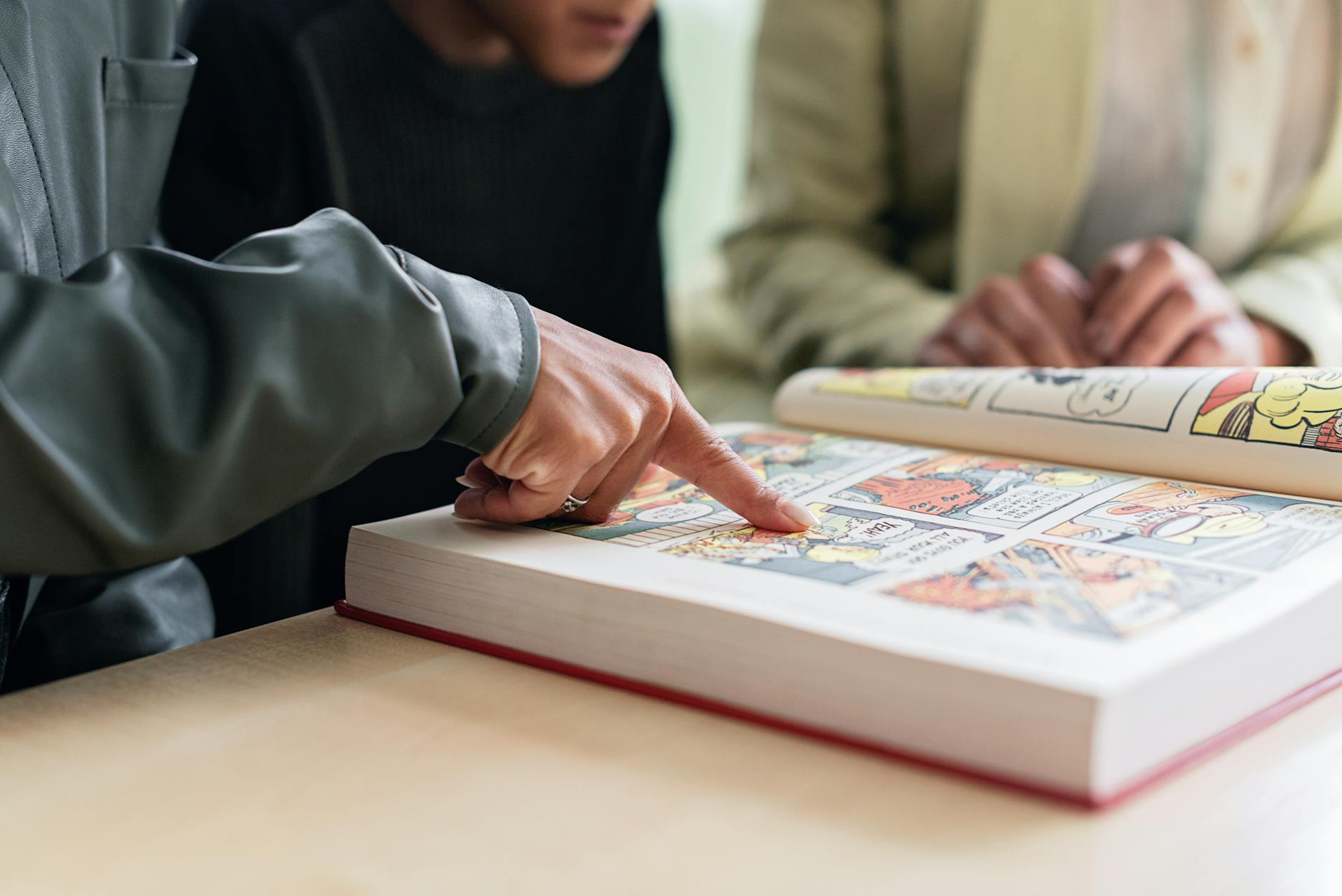
The Connecticut Museum of Culture and History opened a new exhibition last week that brings Hartford’s North End history to life through original graphic novels, according to museum officials.
“Drawn Here: Stories from Hartford’s North End” welcomed visitors during its opening ceremony on Feb. 12, featuring five graphic novels created by Connecticut artists working alongside students from Hartford Classical Magnet School and community historians.
Mandlyn Schrock, who attended the opening with her cousin, said the exhibition felt deeply personal. “This exhibition is personal because, to realize we have so much history within our own community in the North End and people doing great things, makes me feel I didn’t have to leave, I could have stayed right here,” said Schrock, who now lives in Bloomfield.
The novels explore the experiences of various migrant groups who have called the North End home over hundreds of years, according to Katie Heidsiek, senior exhibition developer at the museum. The stories illustrate through fiction how Irish, Italians, Eastern Europeans, Black Southerners, West Indians, Puerto Ricans and others redefined American identity while settling in the area.
Heidsiek said the exhibition’s guiding theme connects to the 250th anniversary of the signing of the Declaration of Independence, prompting reflection on immigration and American identity. The museum aimed to create something different by partnering directly with North End neighbors, she explained.
“What if we really turned it into a storytelling format that would be a way that people could connect with it, and particularly young people approaching that age of 18? They’re going to start voting, thinking about these questions of identity and what it means to be an American,” Heidsiek said.
The museum spent two and a half years working with community participants to shape the project, according to Heidsiek. What began as one graphic novel expanded to five different stories approaching North End history from multiple angles, covering topics from Poquonock Native American history to religious diversity, Hartford’s Great Flood, and the I-84 highway construction that split the city and displaced families.
“It’s easy to open up conversations with communities and then to say, thanks for your thoughts. We’re going to do this thing that we were going to do, and what needs to happen is a really open dialog, you adapt to the feedback of the community,” Heidsiek said.
The exhibition displays the five fictional stories on the museum’s main floor walls, combining current North End realities with historical figures, migration patterns and neighborhood-shaping events.
North End native Tyrone “ZeroSnake” Motley created one novel that draws from his own family history. His work depicts a family’s move from Americus, Georgia to Hartford in the 1930s, searching for safe, affordable and stable housing, with characters resembling his own relatives.
“Ruben is named after my grandfather… The matriarch of the story, May, is named after my grandmother, Lily May Long,” Motley said at the opening. “No matter the origin we are all drawn here at the end of the day… we love Hartford.”
The exhibition includes interactive elements beyond the visual displays. A phone cabin allows visitors to hear stories directly from community members that students interviewed, including accounts about local institutions like Hope Church. Video clips also feature community advocates discussing their work in the neighborhood.
The collaborative approach reflects the museum’s commitment to authentic community partnership rather than traditional top-down exhibition development, according to museum officials. The project demonstrates how cultural institutions can work directly with neighborhoods to tell their own stories through accessible formats like graphic novels.