
Connecticut Lawmakers Advance Bill Requiring Data Centers to Supply Own Power
Connecticut lawmakers are moving forward with legislation that would force large electricity users, including data centers, to generate their own power instead of drawing from the state's electric grid.
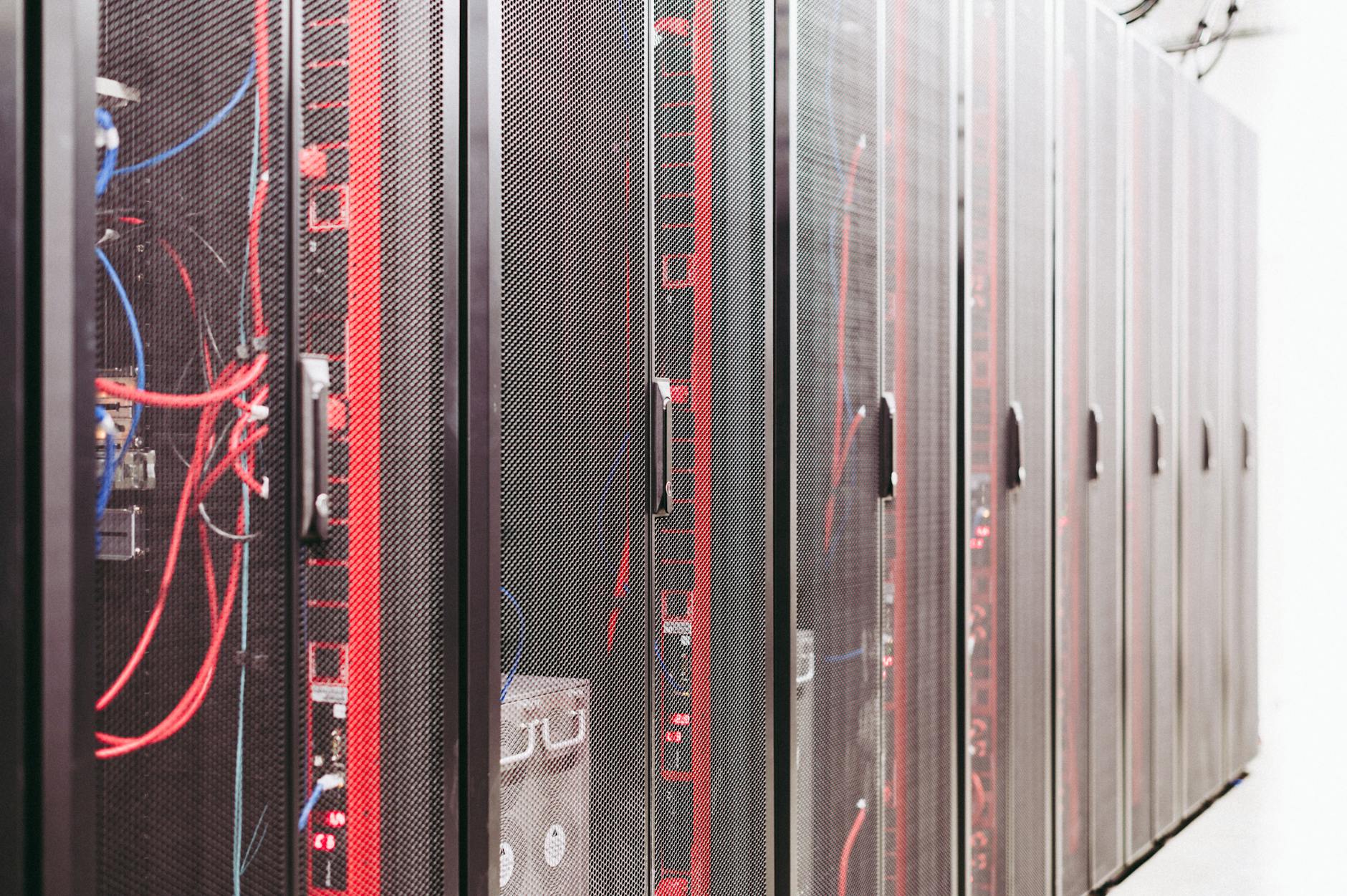
Connecticut lawmakers are moving forward with legislation that would force large electricity users, including data centers, to generate their own power instead of drawing from the state’s electric grid.
House Bill 5469, introduced by the legislature’s Energy and Technology Committee, targets any electric customer with a peak demand of at least 50 megawatts, according to the newly published legislation. These large users would need to either contract with a “colocated electric supplier” — a generator physically connected behind their meter — or prove they can supply the equivalent of their full anticipated load from a new generation source.
The bill emerges roughly one month after Gov. Ned Lamont signaled a shift in the state’s data center policy during a joint session of the General Assembly. At that time, Lamont said Connecticut would “slow down new data centers, unless they add more generation as well,” according to his remarks to lawmakers.
The governor’s office had indicated that no specific legislation existed at the time, though discussions were underway, according to officials.
The proposed legislation would take effect July 1, 2026, and would require the Public Utilities Regulatory Authority to launch implementation proceedings by Jan. 1, 2027, according to the bill’s timeline.
Under the framework, generators supplying electricity directly to large customers through private connections that bypass the public grid would need licensing from PURA, according to the bill’s requirements. These suppliers must produce enough electricity to cover 100% of their customer’s projected demand, plus a reserve margin set by regulators, using new generation that comes online on or after July 1, 2026.
The legislation also mandates that colocated suppliers file annual compliance reports with PURA, according to the bill’s provisions.
Large customers choosing to connect to the grid rather than using a colocated supplier would face similar obligations under service agreements that electric distribution companies must file with PURA by April 1, 2027, according to the proposed requirements.
The bill includes substantial financial protections for existing ratepayers. Large customers would need to post financial guarantees covering at least 85% of their requested electric service for a minimum of 10 years, according to the legislation. They must also demonstrate their project is unique and not duplicative of other large load projects, and post deposits sufficient to protect ratepayers if the project scales back or shuts down.
Connecticut has faced challenges attracting large-scale data center investment, with only Bloomfield-based insurer The Cigna Group applying for the state’s data center tax incentive program since its creation in 2021, according to state records. Several larger proposals have stalled, including a project tied to Millstone Nuclear Power Station in Waterford.
The legislation grants PURA discretion to waive certain requirements for colocated suppliers when regulators determine a waiver serves ratepayers’ best interests, according to the bill’s provisions.
The Energy and Technology Committee has scheduled a public hearing on the bill for March 12, providing an opportunity for stakeholders to weigh in on the proposed changes.
The legislation represents a significant policy shift for Connecticut as it balances economic development opportunities from data centers against concerns about strain on the state’s electric grid and potential impacts on existing ratepayers’ costs.