
Connecticut Bills Would Shield Officials' Addresses From Public
Connecticut lawmakers weigh three bills exempting public servants' addresses from FOIA disclosure, raising press freedom and accountability concerns.
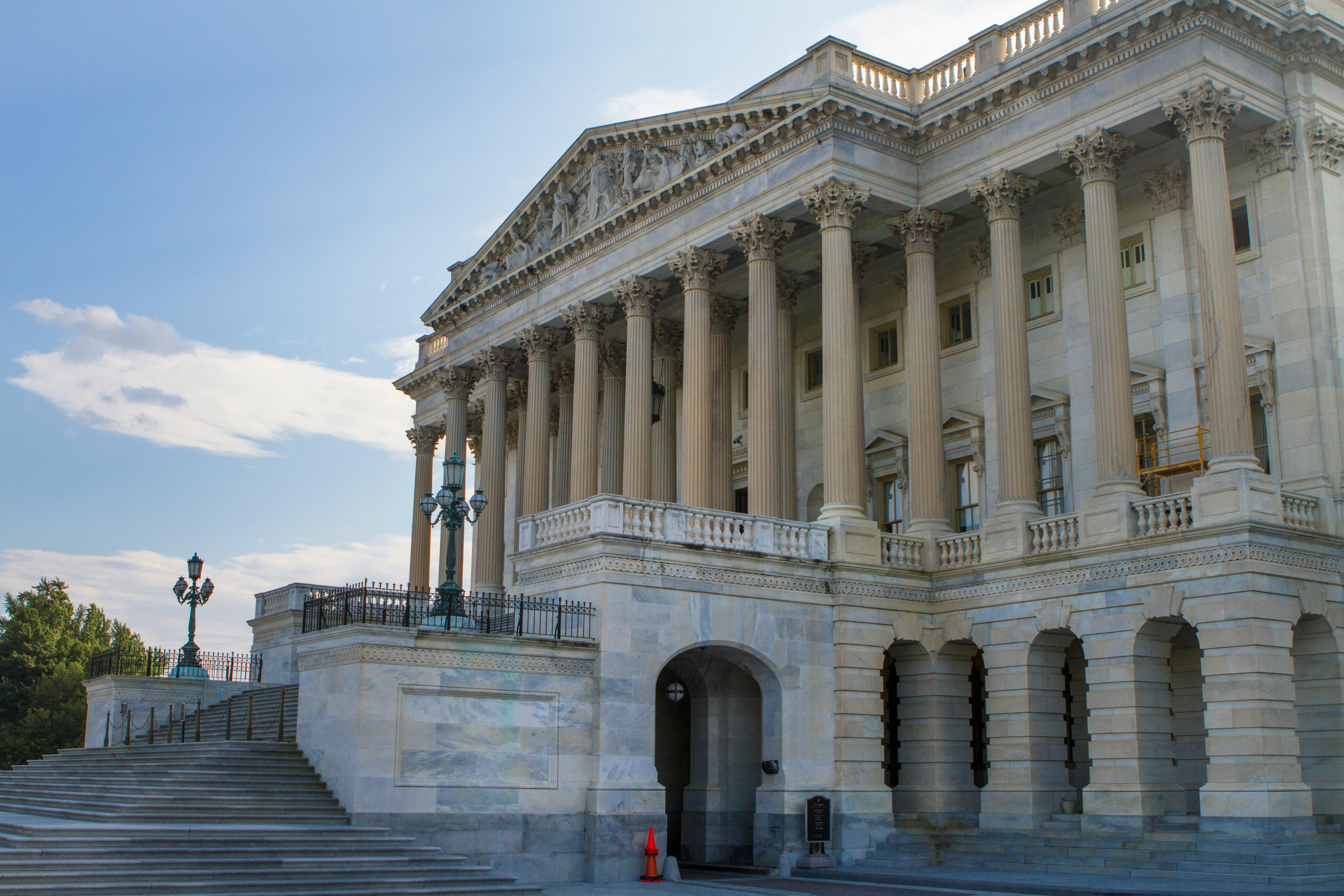
Connecticut lawmakers are weighing a trio of proposals that would shield residential addresses from public disclosure, drawing pushback from press freedom advocates and government watchdogs who argue the exemptions would undermine the public’s ability to hold officials accountable.
The proposals, now under review at the Capitol, would expand the list of groups exempt from address disclosure under the state’s Freedom of Information Act. Senate Bill 325 would cover certified teachers, House Bill 5548 would extend protections to most public employees, and Senate Bill 492 would apply to state and local elected officials.
The concern driving the legislation is real. Public servants have faced harassment, threats, and violence at their homes. That trend has accelerated alongside rising political tensions nationally, and no one disputes that public employees deserve to feel safe.
But critics of the proposals argue that exempting home addresses from public records does not fully solve the safety problem, and creates a new one in its place: eroding a tool journalists and citizens rely on to verify that officials are following the same rules they make and enforce.
The most pointed objections center on SB 492, which would cover elected officials. Residency is not a minor detail for someone seeking or holding public office. Voters regularly debate whether a candidate genuinely lives in the community they want to represent. Recent races in North Carolina, Wisconsin and Virginia all featured public scrutiny over candidate residency. Congressional candidates in Arizona and California faced similar questions this cycle, with news organizations reporting that candidates lived in different parts of their states than the districts they sought to represent.
SB 492 would apply to officials already in office, which means it would primarily protect incumbents. But many statewide officeholders start on municipal boards, so their address information would go dark well before they reach higher office.
Beyond residency questions, home addresses help journalists and residents track whether public officials are complying with laws they themselves oversee. Connecticut has seen this play out more than once. A Bridgeport city councilman was called out in 2024 for registering his car in Shelton, a city with a significantly lower tax rate, a fact that surfaced through public records tied to his address. Reporting from 2012 found that some Ansonia officials were not paying car taxes at all, yet were receiving tax clearance notices from the city’s tax collector to keep their registrations active.
Those stories required cross-referencing addresses with tax and registration data. Under the proposed exemptions, that kind of accountability reporting becomes harder, or impossible.
Supporters of the exemptions might point to a reasonable middle ground: if home addresses are dangerous data points, why not remove them from public records entirely? The answer is that they serve essential government functions. Addresses verify residency for elections, track property ownership and tax obligations, and confirm identification. Removing them selectively, for people in positions of public authority, creates a two-tiered system where officials gain privacy protections unavailable to ordinary residents.
Journalists who cover local government use home addresses across a range of reporting tasks, including verifying identities, locating sources, and grounding stories in specific communities. A survey of journalists conducted in 2023 confirmed how routinely addresses come into play in accountability work.
None of this dismisses the safety concerns. Threatening or harassing a public employee at home is already a crime. Stronger enforcement of existing laws, better security resources for targeted officials, and clearer protocols for handling threats all address the actual problem without restricting public access to records.
The legislative debate unfolding in Hartford mirrors arguments playing out in statehouses across the country, where safety concerns are real and valid, but where the proposed remedies risk trading one problem for another. Restricting public records in the name of protection is an easy vote to cast, but the costs fall on the public.
Connecticut has a strong Freedom of Information tradition worth protecting. Lawmakers should look hard at whether these bills actually make anyone safer, or whether they simply make oversight harder.