
CT Leads Multistate Suit Over EPA Endangerment Finding Repeal
Connecticut AG William Tong is leading a multistate legal challenge against the EPA's decision to rescind its greenhouse gas endangerment finding.
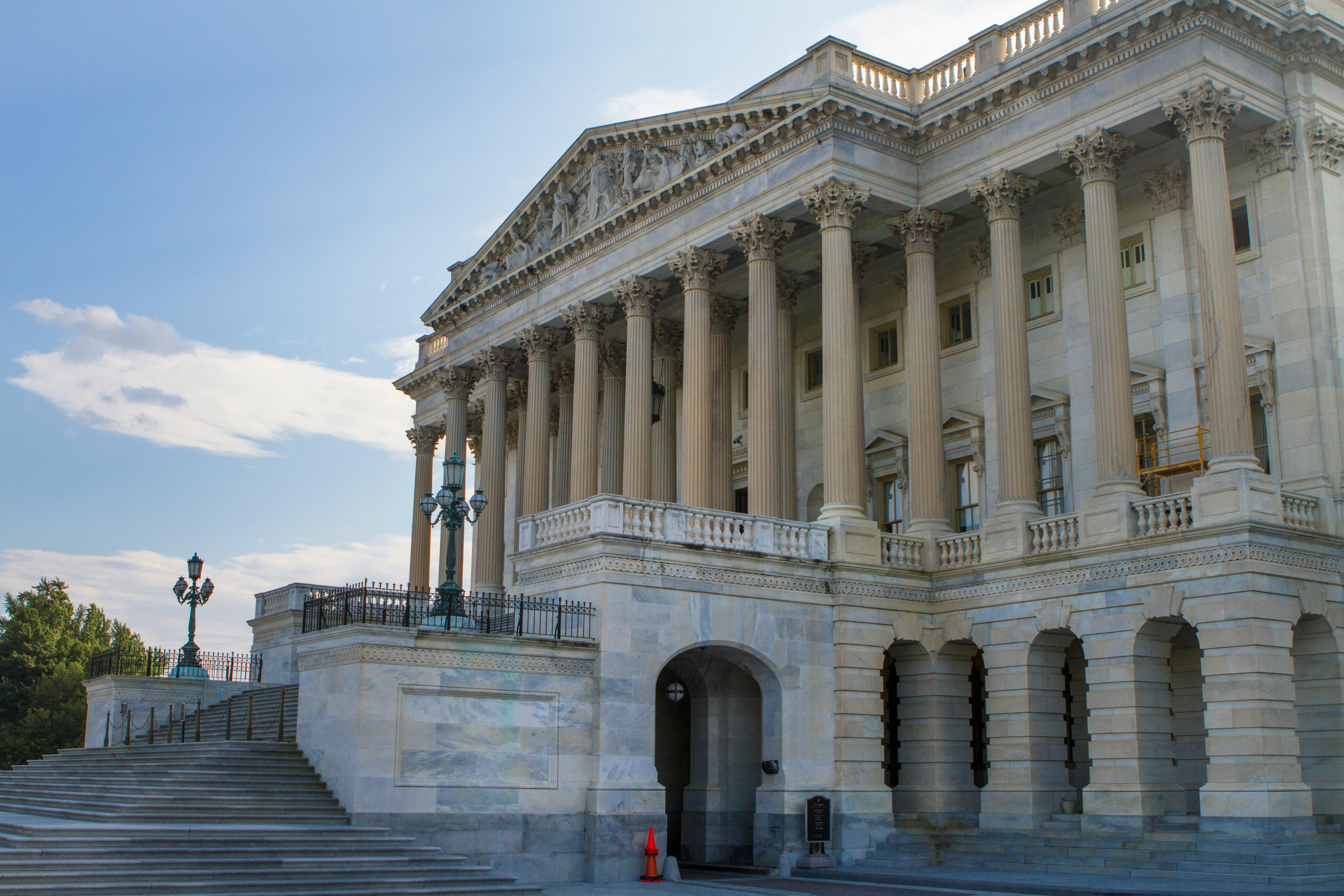
Connecticut Attorney General William Tong is leading a multistate legal assault on one of the Trump administration’s most consequential environmental rollbacks, filing suit Thursday against the EPA and its administrator Lee Zeldin over the agency’s decision to rescind its own endangerment finding on greenhouse gas emissions.
The coalition includes two dozen states and roughly a dozen cities and counties. Connecticut stands alongside California, New York and Massachusetts as lead plaintiffs in the case.
The endangerment finding, first established by the EPA in 2009, declared that greenhouse gases including carbon dioxide and methane posed a threat to public health and welfare. That determination gave the agency its legal foundation under the Clean Air Act to regulate those emissions, first in motor vehicles and later from a broader range of fossil fuel-burning sources. The EPA’s revocation of that finding five weeks ago stripped away that foundation.
“The Trump EPA has ignored the law and ignored the science in its reckless rush to fulfill the wishes of the fossil fuel industry,” Tong said in a statement. “Rescinding the Endangerment Finding means bigger profits for the world’s biggest polluters, while the rest of us are left more vulnerable to extreme weather, extreme heat and rising sea levels.”
Tong, who also serves as president of the National Association of Attorneys General, did not mince words about his intentions. “We’re going to fight with everything we’ve got,” he said.
The 2009 finding itself traced back to a Supreme Court ruling two years earlier in Massachusetts v. EPA, which affirmed that the Clean Air Act’s language covered greenhouse gases even though they weren’t specifically listed in the statute. That precedent has shaped federal environmental policy for nearly two decades.
Legal experts widely expect this battle to return to the Supreme Court, though the current composition of that bench raises serious questions about what that would mean for the outcome. Of the five justices who originally sided with Massachusetts in the 2007 case, none remain on the court. Three of the four dissenters, Chief Justice John Roberts, Clarence Thomas and Samuel Alito, still sit. Three additional conservative justices have since joined them.
The court’s posture on environmental regulation has also shifted in the intervening years through a series of rulings that have constrained federal agency authority more broadly. That history makes the road ahead genuinely complicated for the coalition Tong is helping to lead.
The states are not alone in the fight. The New England-based Conservation Law Foundation and a coalition of environmental groups filed a parallel suit less than a week after the rescission became final on February 12. Thursday’s multistate action represents a separate but aligned legal track.
The scientific picture underlying the endangerment finding has grown sharper, not dimmer, since it was first issued. Greenhouse gases remain the leading driver of global warming, and recent research suggests that the effects, extreme weather events, rising seas, intensifying heat, are advancing faster than earlier models projected. Transportation accounts for the largest share of greenhouse gas emissions in the United States, which helps explain why the original finding focused first on motor vehicles and why the stakes of this rollback stretch so broadly.
Connecticut has particular exposure. The state’s shoreline communities have long faced concern about sea level rise, and the past several years have delivered a steady stream of weather events that test infrastructure and public health systems alike. For Tong, the lawsuit is not an abstract policy dispute but a direct defense of the state’s residents.
The legal question at the center of the case is whether the EPA acted lawfully when it reversed a finding backed by decades of scientific consensus and prior court precedent. The plaintiffs argue it did not. The administration, by contrast, has signaled it believes the original determination overstepped what the law requires.
How courts navigate those competing claims, especially given how much the Supreme Court’s composition and jurisprudence have changed, will likely define the outer boundaries of federal environmental authority for years ahead.