
UConn Students Push for Campus Disability Cultural Center with Strong Survey Support
Two University of Connecticut students are leading an effort to establish a disability cultural center at the Storrs campus, garnering overwhelming support from their peers and backing from university leadership.
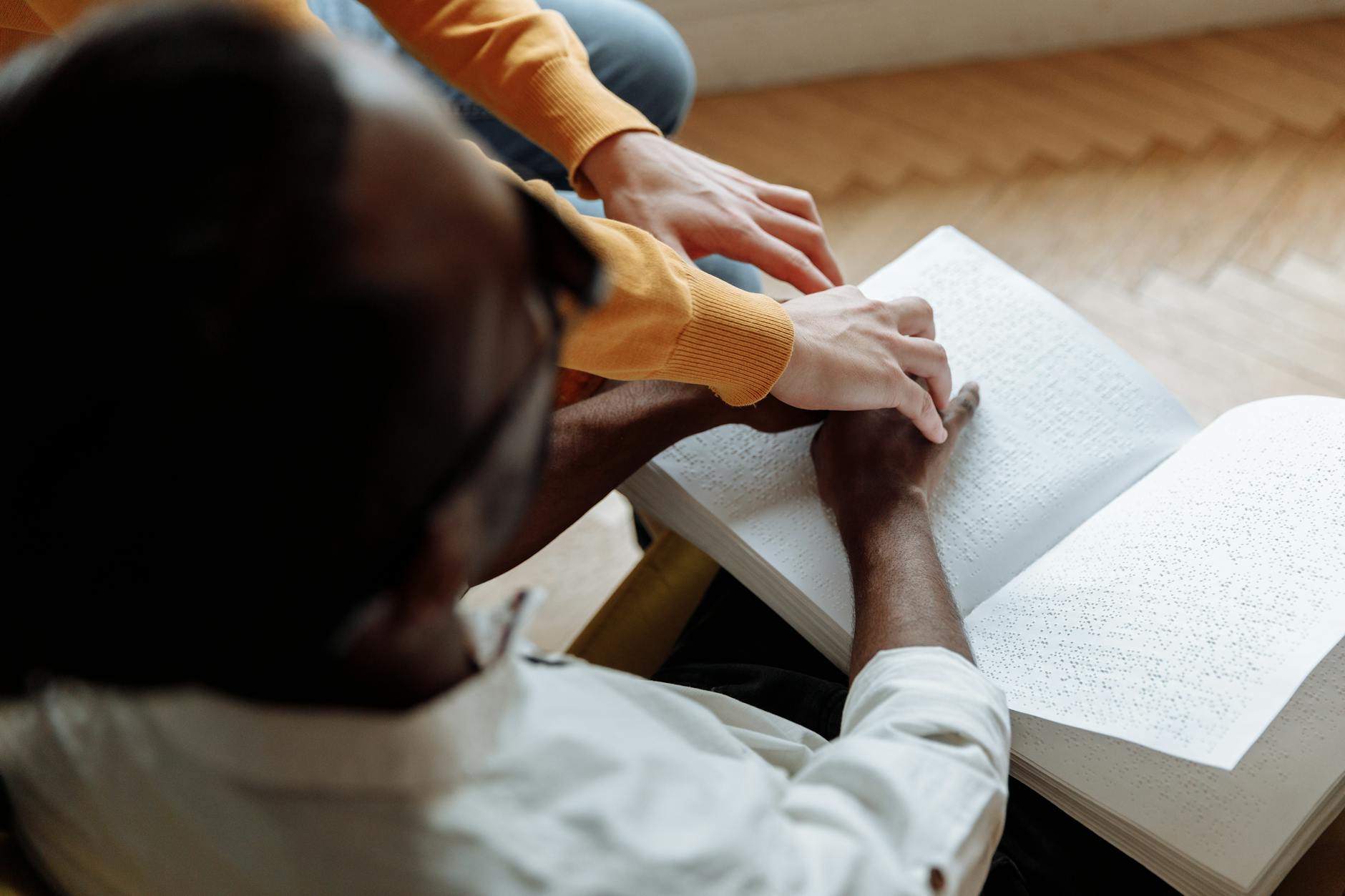
Two University of Connecticut students are leading an effort to establish a disability cultural center at the Storrs campus, garnering overwhelming support from their peers and backing from university leadership.
Mia Giancola, a sixth-semester social work and sociology student, and Gabriella DiSalvo, an eighth-semester student majoring in disability studies in media and food culture, have proposed the center to provide a safe gathering space for disabled students and their allies.
“I think students are being really vulnerable and just saying, ‘hey, no one’s really sat down and let me talk about this before… I want a place where I can talk about these issues, because I don’t know anyone else like me,’” Giancola said.
The proposal has gained significant traction across campus. DiSalvo, who serves as a diversability senator, presented the idea to the Undergraduate Student Government Student Senate on February 11, according to the students. The senators passed the resolution unanimously.
Student interest appears strong, based on survey data collected by Giancola through UConn’s Center for Students with Disabilities. The survey received 904 responses, with 89% of respondents supporting the center, according to Giancola. She and DiSalvo presented these findings to the Board of Trustees at their February 26 meeting.
The need for such a space extends beyond the approximately 7,000 students registered with UConn’s Center for Students with Disabilities across the main Storrs campus and regional campuses in Hartford, Waterbury, Stamford and Avery Point, according to Giancola. She noted that some students might not seek CSD services but still deserve campus support through alternative means like a cultural center.
Giancola envisions the center featuring two distinct spaces. One room would offer “low stimuli, low noise” environment to give students respite from busy areas like the Student Union and Homer Babbige Library, according to her proposal. This space would include low lighting, puzzles, fidget toys and floor mats for students who need to lie down comfortably—particularly helpful for those with chronic pain or invisible disabilities.
The second room would serve as a communal area where students could meet each other and share experiences, according to the proposal.
At the Board of Trustees meeting, DiSalvo shared personal challenges that highlighted the need for better resources. She described struggling to find accessible transportation for her wheelchair to urgent care during a snowstorm because UConn’s service shut down during the school cancellation, according to Giancola’s account of the meeting.
Giancola characterized the trustees’ response as positive, saying the board “seems very receptive and ready to move quickly on opening the center.” She described presenting to the trustees as “a really impactful moment.”
The primary obstacle now involves securing appropriate space on campus. “The problem is there’s no space, like, anywhere,” Giancola said. The students prefer a location in the Student Union that offers adequate room for wheelchair users while maintaining a quiet, non-overstimulating environment.
DiSalvo’s proposal to the student government emphasized accessibility features, including accessible desks and “a layout designed with disability in mind.”
The students plan to operate the center similarly to other campus cultural centers, offering paid student employment opportunities. Giancola reported that students have already inquired about potential jobs at the center, despite it not yet being established. She believes the employment component will help students view the center as a serious campus resource.
The initiative represents a significant step toward addressing gaps in disability support services at UConn, moving beyond traditional accommodations to create community-building opportunities for disabled students across the university system.