
Danbury Fire Department Implements Gentler Alarm System to Reduce Firefighter Stress
The Danbury Fire Department has replaced its jarring alarm system with a gentler approach designed to reduce stress on firefighters while improving response times, according to department officials.
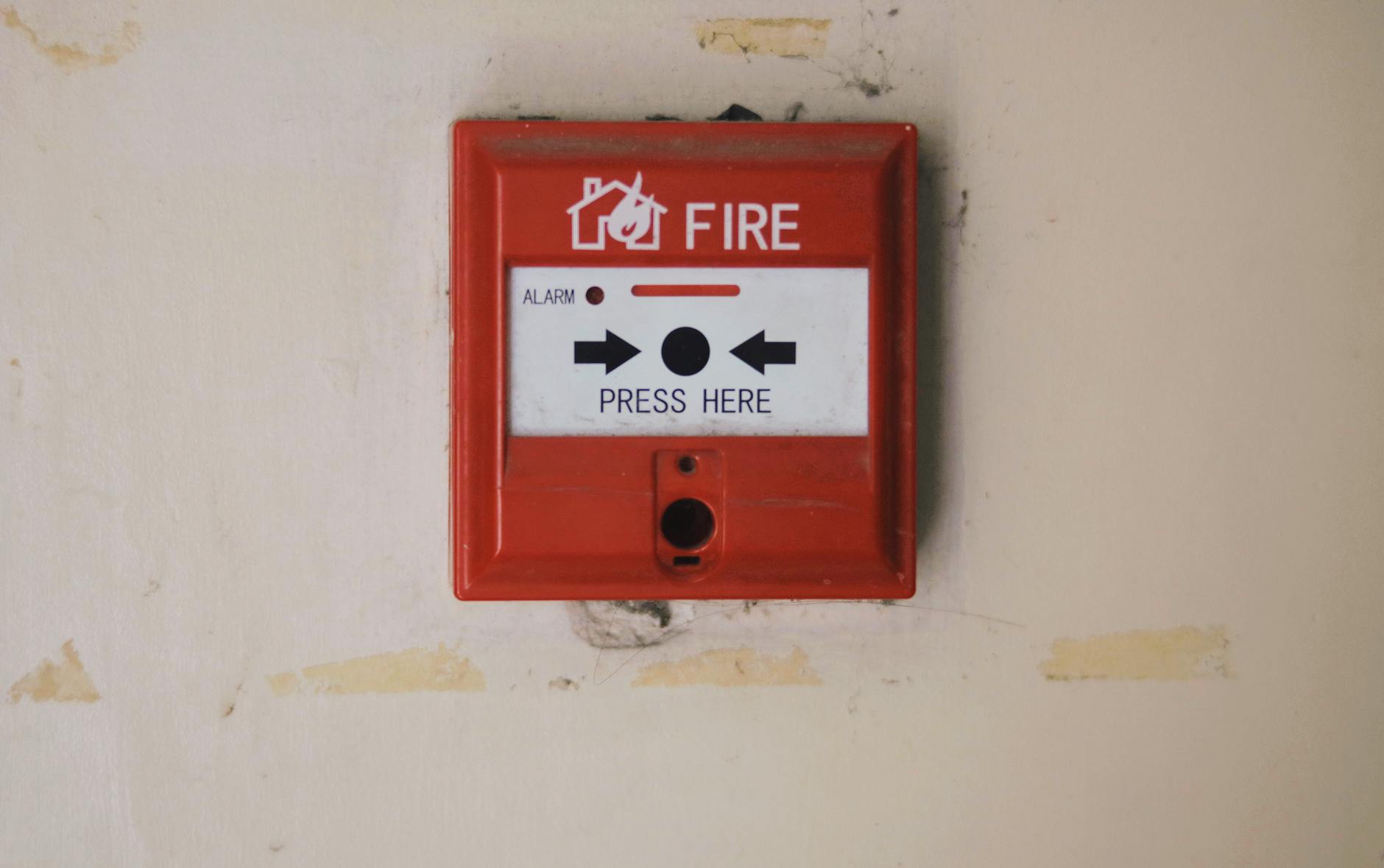
The Danbury Fire Department has replaced its jarring alarm system with a gentler approach designed to reduce stress on firefighters while improving response times, according to department officials.
The new system, which went online in September across the city’s five fire stations, features alarms that start softly before gradually increasing in volume, paired with a computerized voice that calmly announces emergency details. Danbury used approximately $500,000 in funding from the 2021 American Rescue Plan Act to purchase the Phoenix G2 system, manufactured by Honeywell subsidiary US Digital Designs.
“It’s much easier on your nervous system,” said Capt. Kevin Lunnie, who described the previous system’s effect as “overwhelming.” The veteran firefighter noticed significant jumps in his heart rate when the old high-volume alerts activated, a concerning issue in a profession where heart problems cause the majority of on-duty deaths.
The old system began with full-volume single tones followed by fluctuating high and low pitched alarms that firefighters found jarring. Dispatchers would announce calls over static-prone speaker systems that were often difficult to understand, according to department personnel.
“Most people found it very jarring,” Lunnie said of the previous system, which would jolt firefighters awake at all hours.
During a recent demonstration at Danbury’s main fire station, an incoming call triggered a single, soft tone followed by an automated female voice stating “Truck 1” and “Respond to sick person,” along with the patient’s address. Warm red lighting flashed throughout the firehouse while monitors displayed emergency details and a two-minute countdown timer began, with the goal of crews departing before time expired.
The new setup integrates directly with the computer-aided dispatching system, allowing faster alerts than manual department staff communication while simultaneously sending information to firefighters’ phones and watches. According to Assistant Fire Chief William Lounsbury, this integration has resulted in quicker response times.
The gentler approach addresses serious health concerns within the firefighting profession. According to the National Fire Protection Association, sudden cardiac death caused 20 of the 51 on-duty firefighter fatalities in the United States in 2024, making it the leading cause of line-of-duty deaths.
Research supports the health benefits of graduated alarm systems. A study published in the Journal of Occupational and Environmental Hygiene in 2016 found that immediately loud alert systems increased firefighter heart rates by a median of seven beats per minute, compared to five beats per minute under systems that gradually increased volume.
“When the alarm was used in a ramp-up fashion — so a gradual buildup on the alarm — the heart rate was lower to the alarm, so it put less stress on their body,” said Dr. Jay MacNeal, associate emergency medical services director for the Beloit Fire Department in Wisconsin and one of the study’s authors.
The research, conducted by more than 40 Beloit firefighters in collaboration with Yale University and Mercyhealth’s Emergency Medicine Department in Janesville, Wisconsin, showed statistically significant differences despite the relatively small heart rate variations.
Danbury, home to approximately 87,000 residents in southwestern Connecticut, joins thousands of fire departments worldwide implementing similar stress-reduction measures. According to Honeywell, the same Phoenix G2 system operates in nearly 6,000 firehouses across the United States, while other companies manufacture comparable alerting systems used in stations nationwide.
The National Fire Protection Association issued new standards for fire station alerts last year that include requirements for alarms and tones starting at lower volumes, reflecting growing recognition of the health impacts traditional systems have on firefighter wellness and safety.